Post tag : Thomas Hobbes
-
The Conflicting Orientations of the Early American Republic
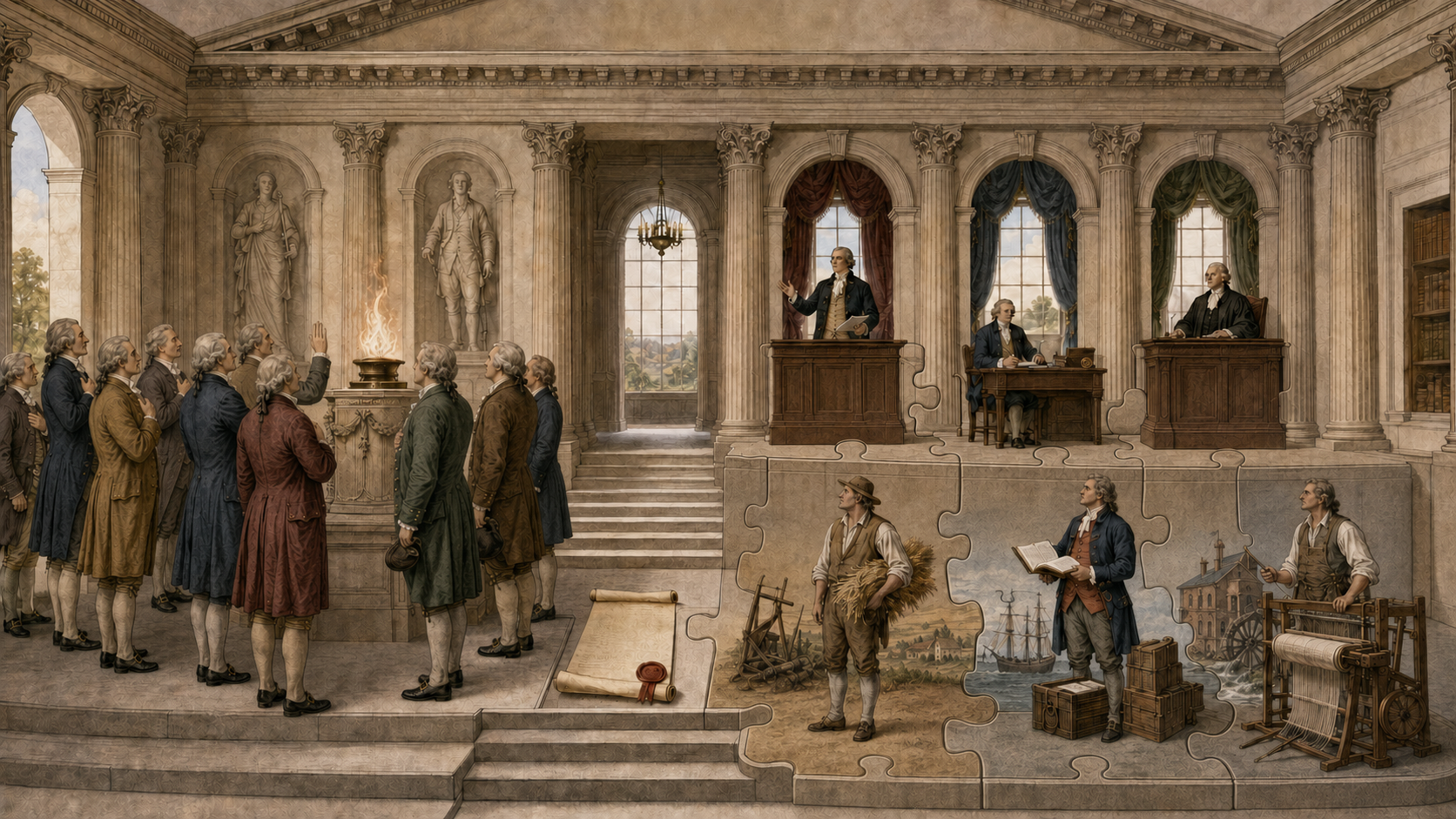
Is the economy a driving force behind democracy or its gravedigger? – Article 3 American independence and the adoption of the federal Constitution constitute two successive and distinct moments in the birth of the United States. From the resolutions of the First Continental Congress in 1774, through the Declaration of Independence in 1776, to the Constitution…
-
How Interests and Values Rose and Virtue Declined (16th–18th Centuries)
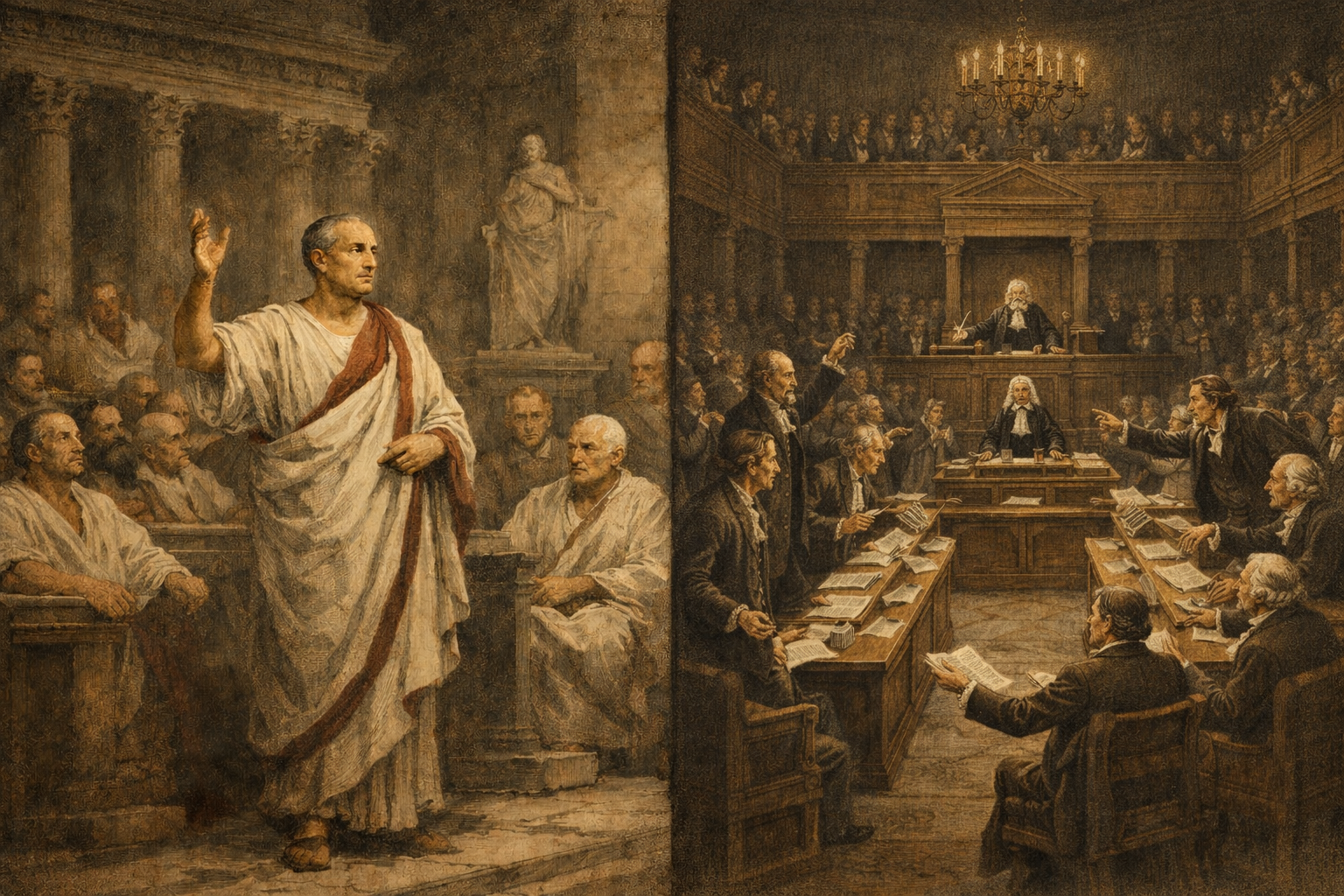
In The Passions and the Interests (1977), the historian Albert O. Hirschman shows how, in the 17th and 18th centuries, the concept of interest established itself as the pivot of justificatory frameworks in political economy.1 His enquiry draws in particular on 17th-century moral philosophy, as well as on Montesquieu, Hume, and Smith. Building on those…
-
Interests as the driving forces of social recomposition in eighteenth-century Great Britain
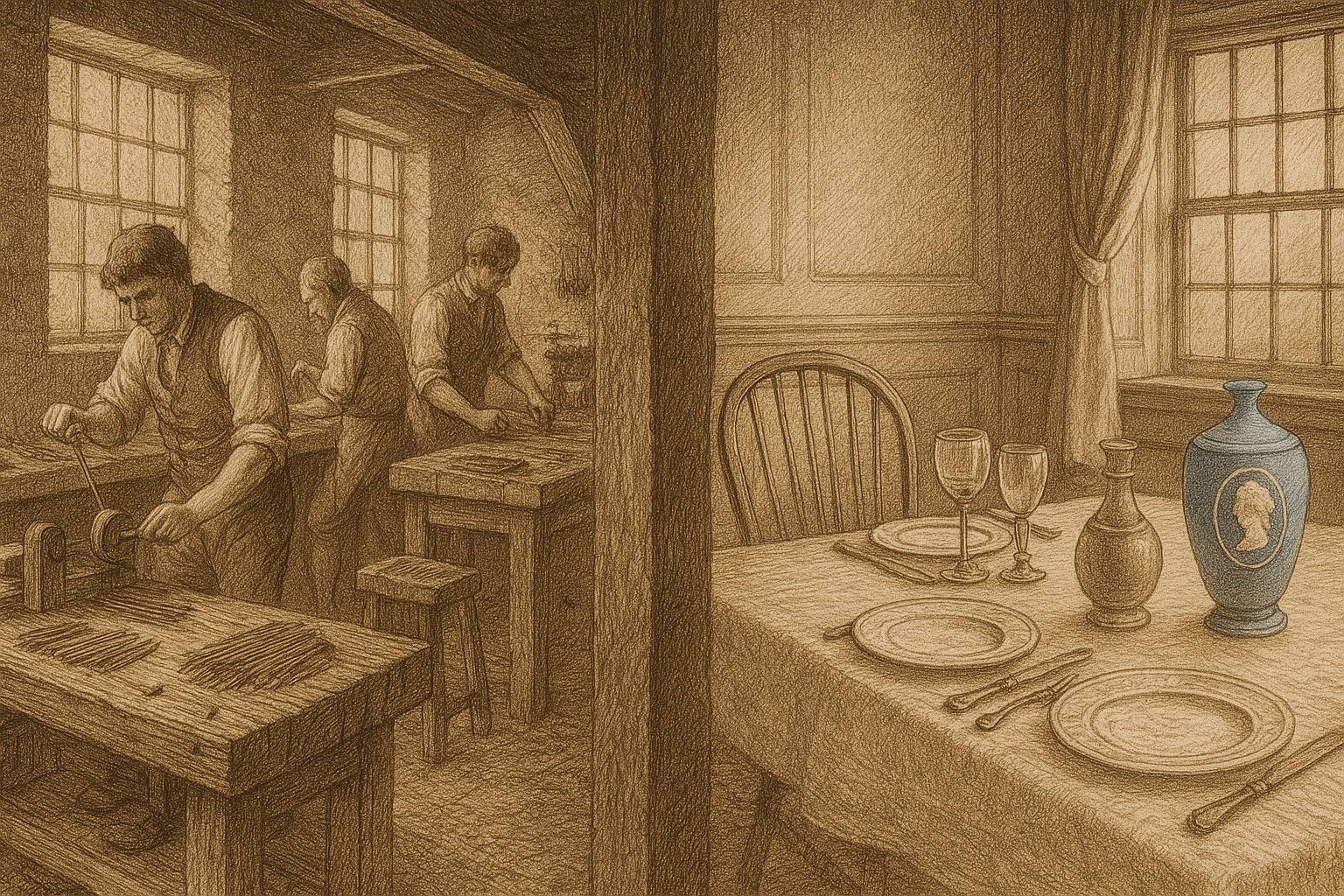
At the Origins of the Valorisation of the Economy (15th–19th Centuries) – Article 4 In eighteenth-century Great Britain, the word “interest” condenses heterogeneous realities that we now distinguish in order to avoid confusion. First, there is financial interest, an instrumental category and the primary one etymologically, which designates the temporal cost of a debt. It…
-
1789: Sovereignty and the Impossible Harmony of Interests
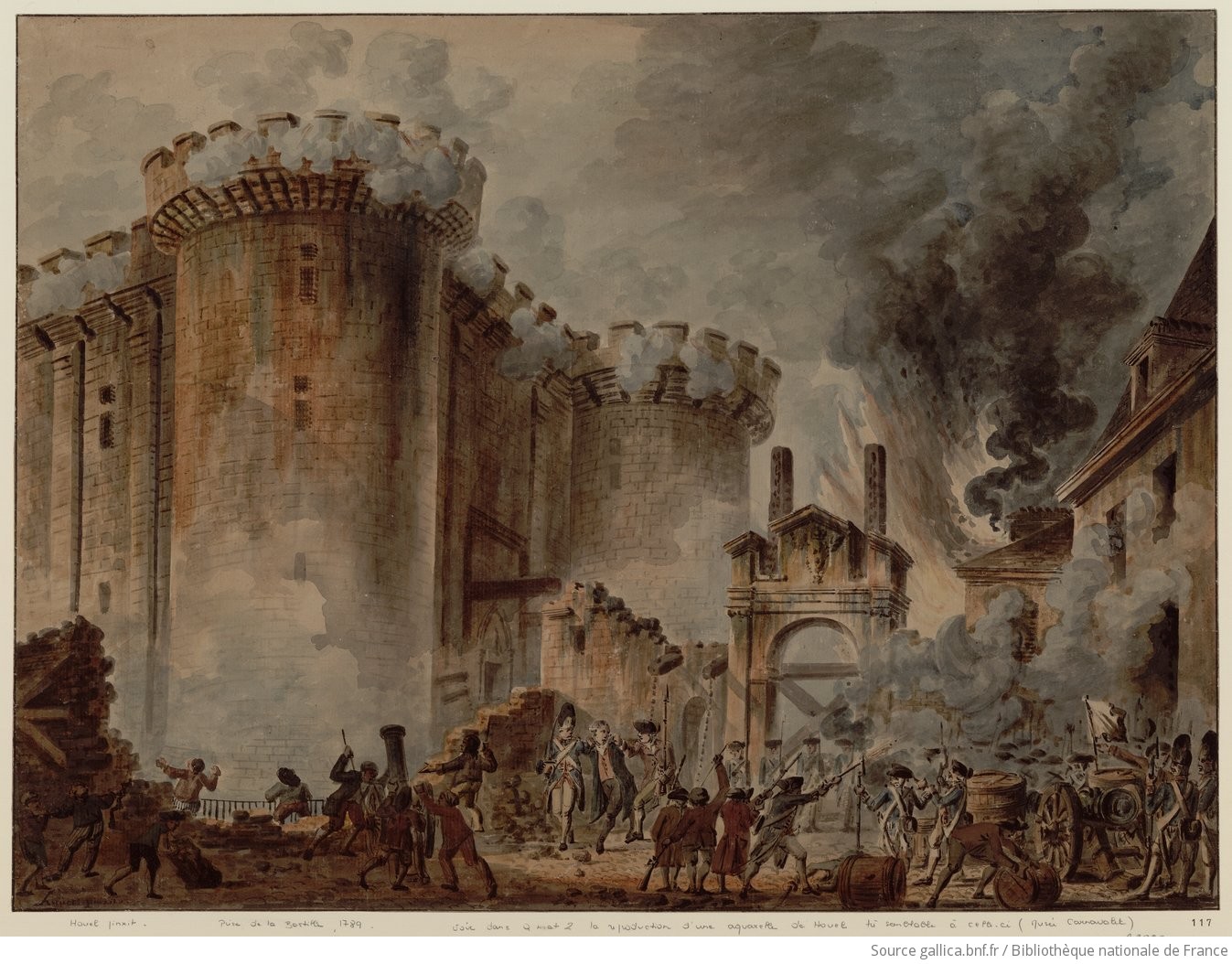
Robert Darnton’s The Revolutionary Temper offers a vivid picture of the moral climate that preceded 1789. He uncovers the accumulated resentment of ordinary people against the Crown, the nobility, and the clergy—a resentment sharpened by hunger and humiliation. Yet emotions, however intense, do not by themselves make a revolution. They ignite revolt, not political transformation.…
-
Wealth as a Political Principle: England, 17th–18th Centuries
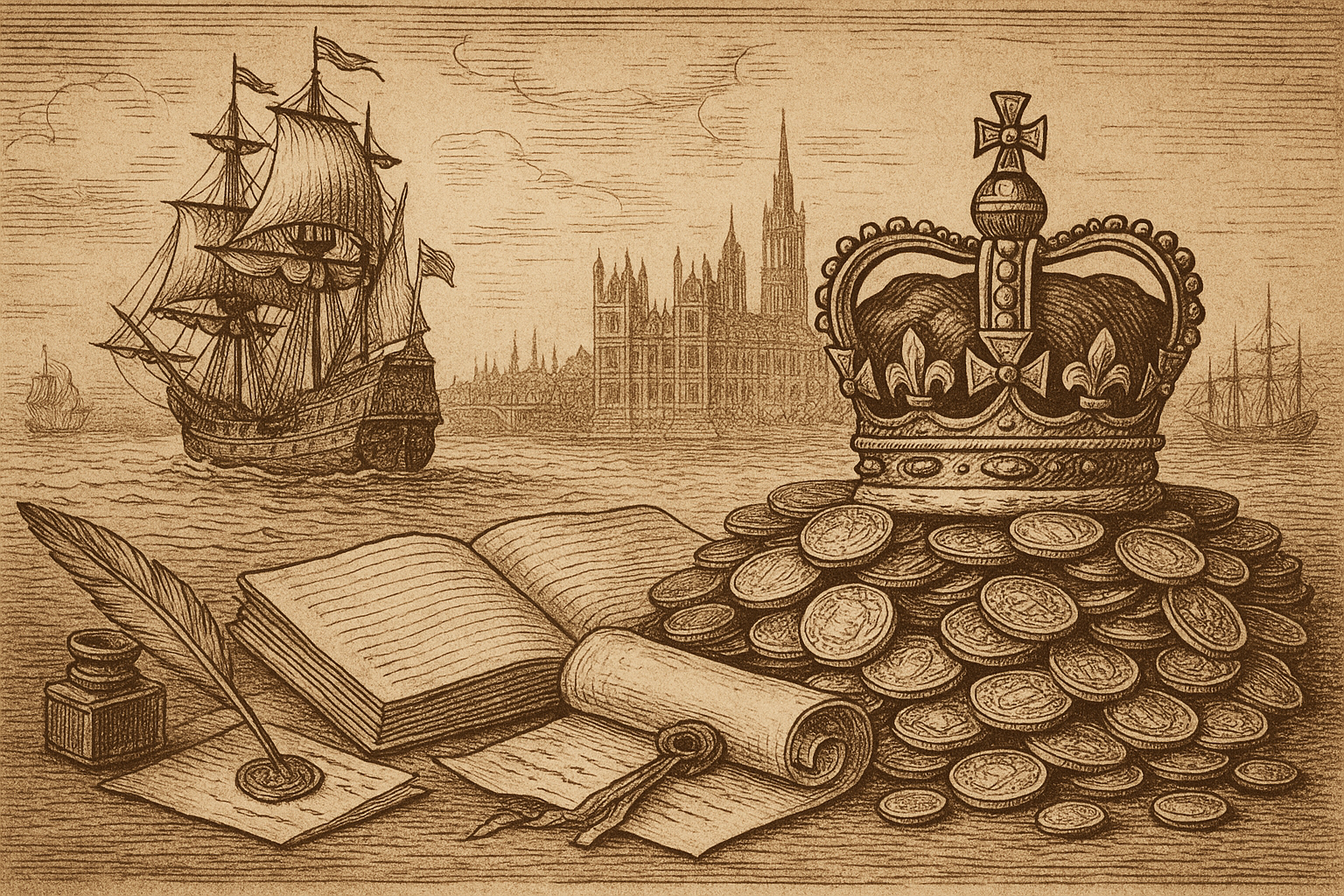
At the Origins of the Valorisation of the Economy (15th–19th Centuries) – Article 3 From the mid-16th to the 18th century, European power underwent a profound transformation. The strength of a state was no longer conceived only in terms of dynastic lineage, military glory, or defence of the true faith. Wealth ceased to be a…