Articles
-
Interests as the driving forces of social recomposition in eighteenth-century Great Britain
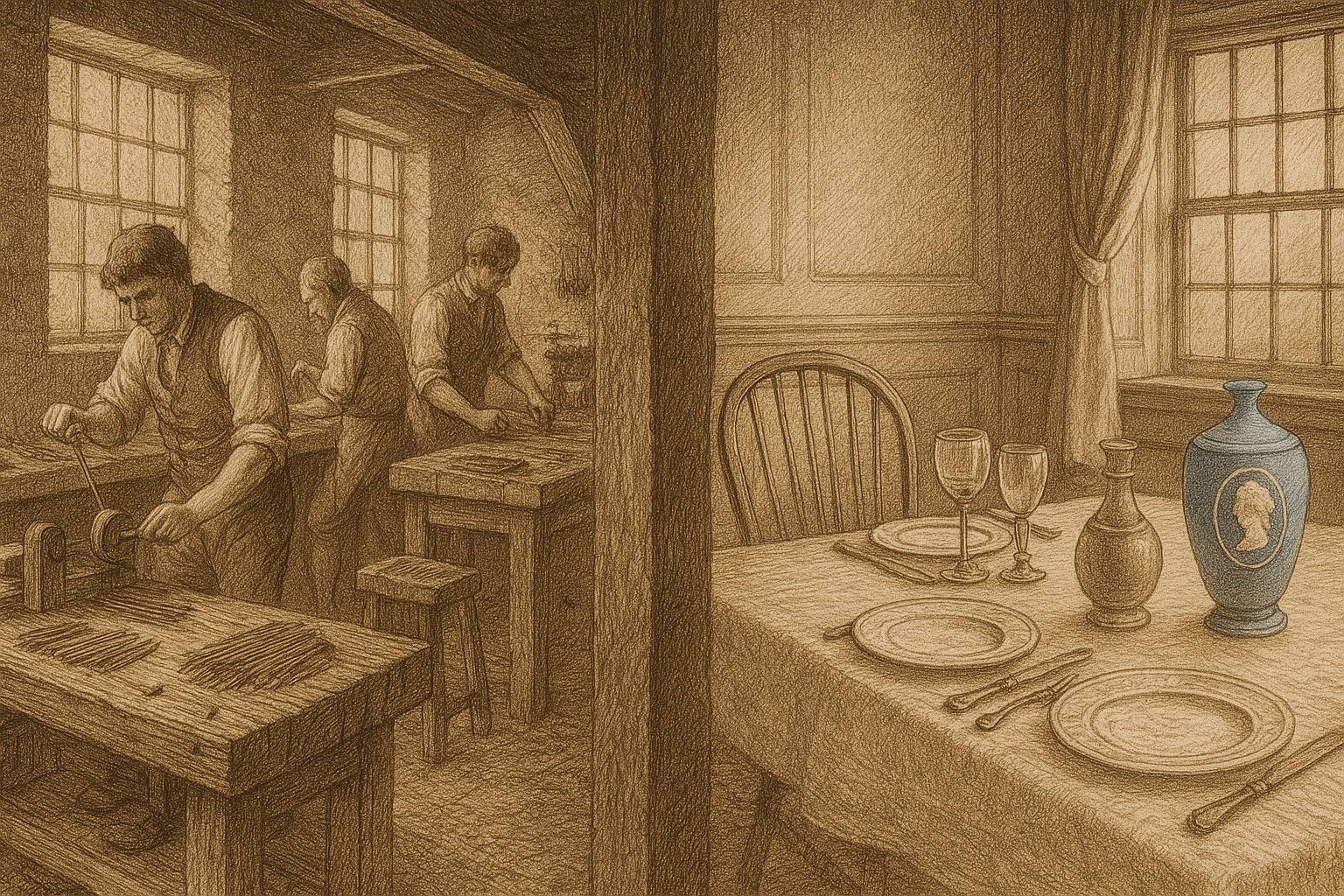
At the Origins of the Valorisation of the Economy (15th–19th Centuries) – Article 4 In eighteenth-century Great Britain, the word “interest” condenses heterogeneous realities that we now distinguish in order to avoid confusion. First, there is financial interest, an instrumental category and the primary one etymologically, which designates the temporal cost of a debt. It…
-
Wealth as a Political Principle: England, 17th–18th Centuries

At the Origins of the Valorisation of the Economy (15th–19th Centuries) – Article 3 From the mid-16th to the 18th century, European power underwent a profound transformation. The strength of a state was no longer conceived only in terms of dynastic lineage, military glory, or defence of the true faith. Wealth ceased to be a…
-
The Age of Extractive and Commercial Empires: Spain and the Dutch Republic (16th–17th Centuries)
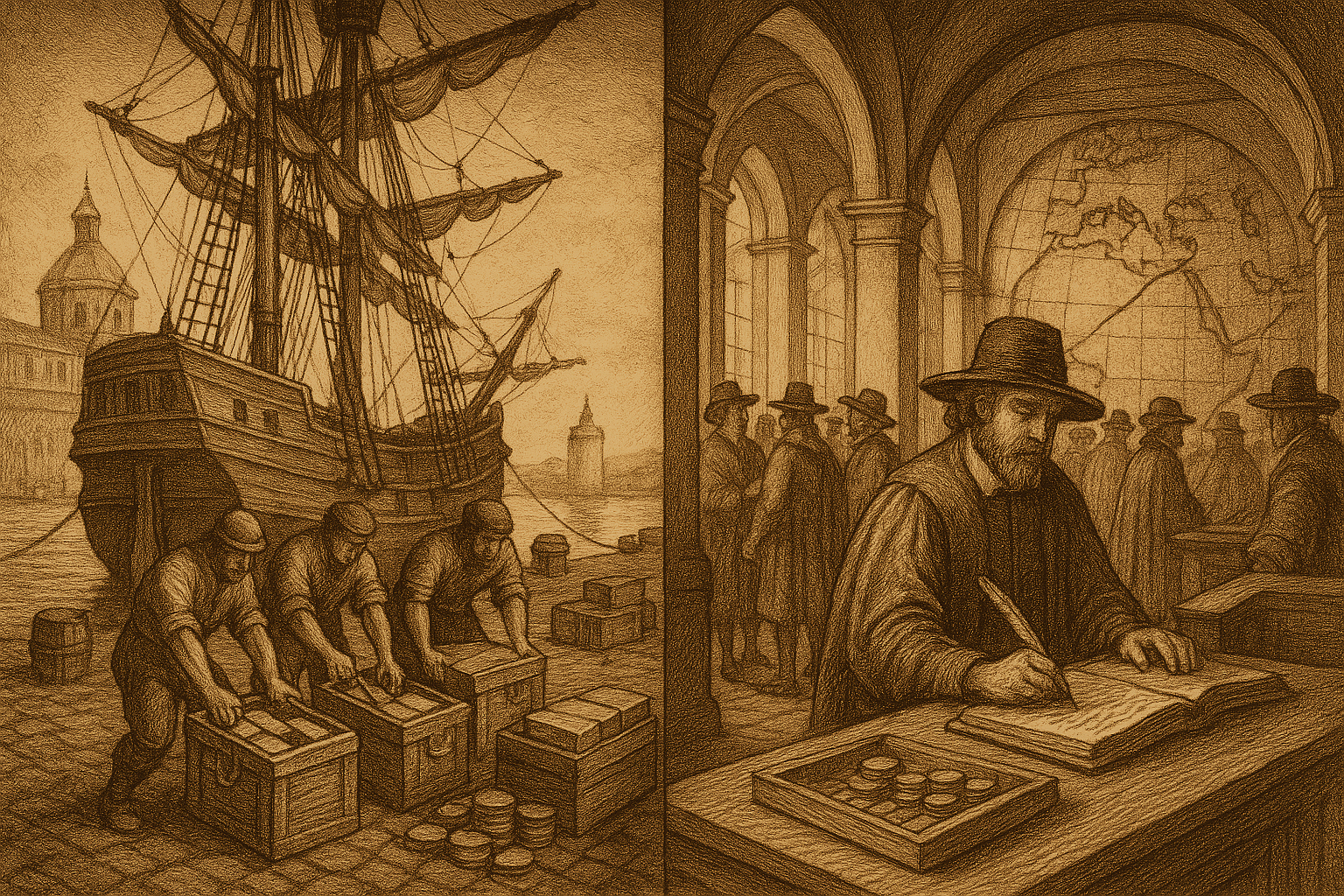
At the Origins of the Valorisation of the Economy (15th–19th Centuries) – Article 2 Spain and the Dutch Republic embody two paths into the first globalisation: the former rested on extraction and imperial coercion; the latter on the organised circulation of goods, information, and credit. From the mines of Potosí to the payment fairs of…
-
When the Economy Becomes a Value: The Turning Point of the Italian Renaissance
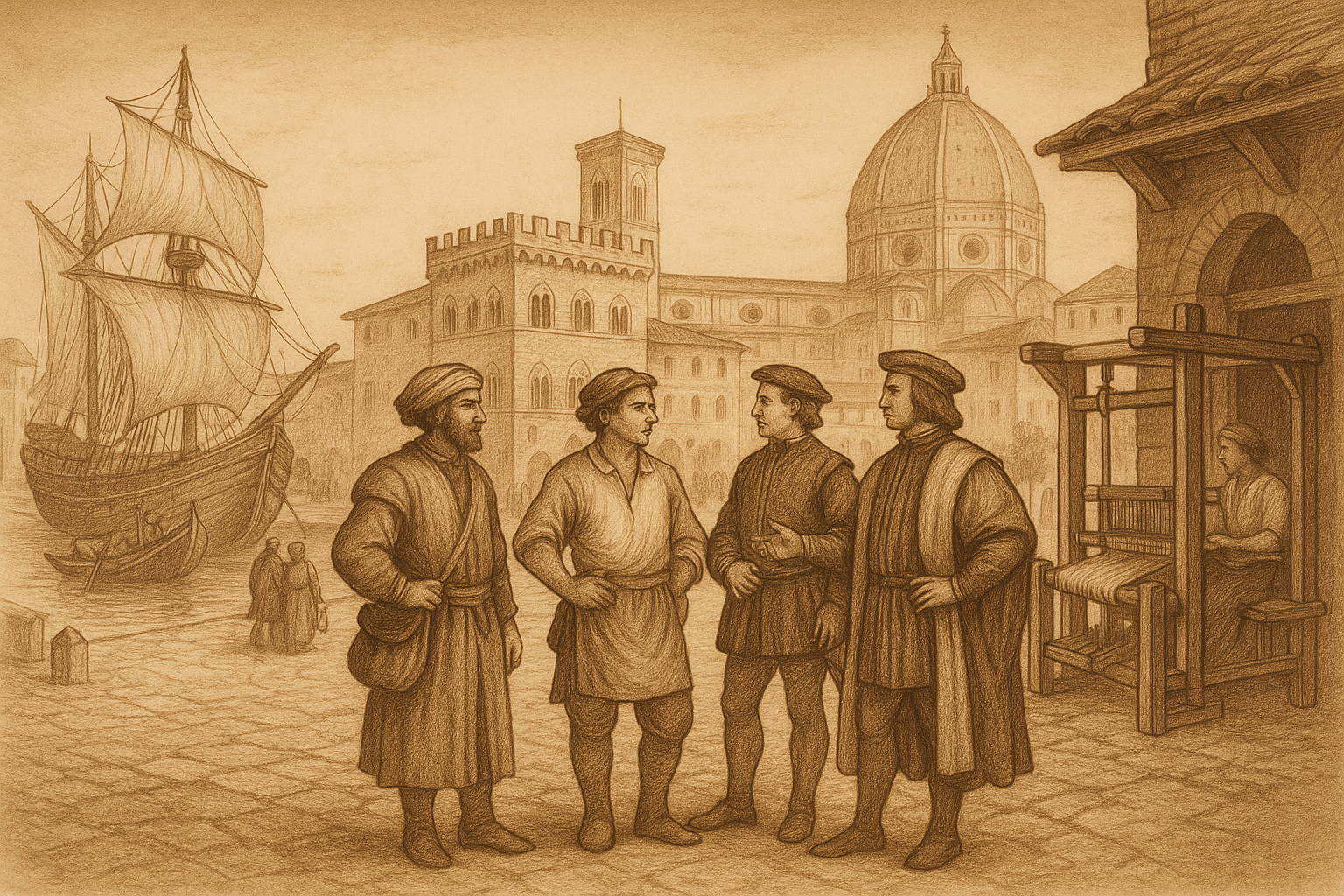
At the turn from the Middle Ages to the Renaissance, the northern Italian city-states usher in a decisive shift: the economy is no longer merely a means of subsistence but becomes a value in political and moral terms. Florence and Venice, governed by oligarchies blending nobility and bourgeoisie, stand out for systems of government markedly…
-
Western Authoritarianisms or the Denial of a Global Evolution

Protectionist vs. Neoliberal Authoritarianisms Since his second inauguration as President of the United States, D. Trump has dominated the news, particularly due to his brutal attitude and arbitrary decisions that endanger American democracy, which is based on the existence of checks and balances. In this context, it is ironic to hear Vice President J.D. Vance…
-
On the Role of Technical Culture in Innovation and the Limits of Innovation Today
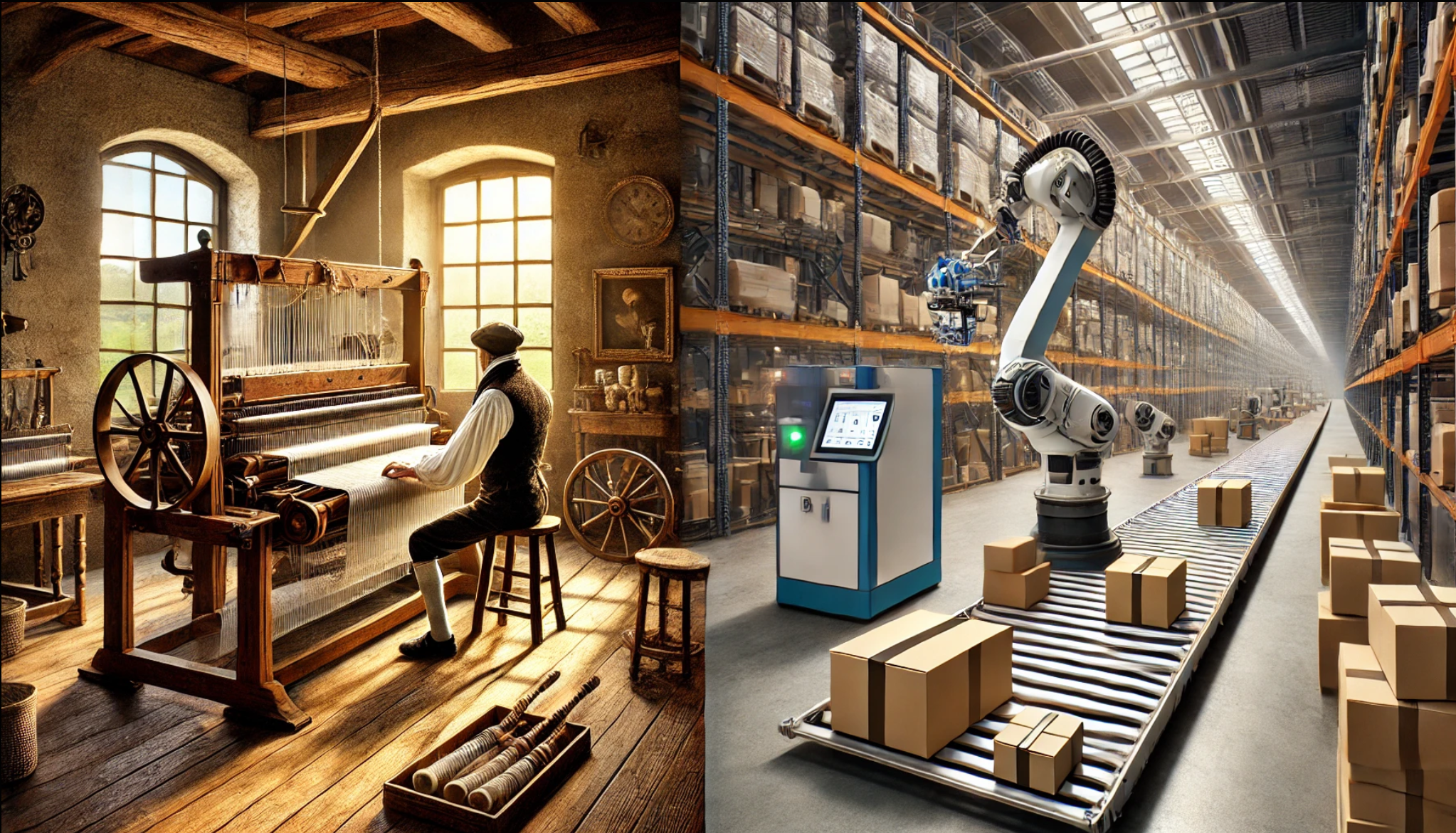
Technical Culture as a Factor in the First Industrial Revolution In Power and Progress, Daron Acemoglu and Simon Johnson provide a detailed account of how technological advancements have rarely benefited the entire population. Their fascinating investigation, spanning from the Neolithic era to the present day, supports the idea—dating back at least to Rousseau—that inequalities increased…
-
Attachment, a vital emotional bond that can stifle psychological distancing

Since November 2023, several articles have highlighted constraints that limit the ability to achieve psychological distancing and, consequently, to gain freedom of thought and peace of mind: oppositions, idealizations (particularly the pursuit of moral truths), conformity, psychological projection, and the desire for recognition. Here, we will focus on the emotional bond of attachment. While essential…
-
The correlated evolution of privacy, freedom of thought, and idealizations

By studying the evolution of freedom of thought from the 16th to the 18th century,1 we highlighted how its expansion was stimulated by the growth of knowledge and techniques. Here, we will first emphasize another determining factor: the development of privacy. Once again, we will take the example of Montaigne, who will help us identify…
-
These Individualisms, which are Based on Idealizations and Hinder the Freedom of Thought

The notion of individualism has been at the center of numerous debates over the past two centuries.1 It came out of controversies surrounding emerging democracies, and its various interpretations made it difficult to grasp. Rather than focusing on its definition, we will turn our attention to its historical and philosophical origins, with the aim of…
-
Projection, a Major Obstacle to Distancing

As mentioned in a previous snapshot1, the time has come to address the notion of distance. It seems to me that this concept is mainly understood in a negative way, as the negation of an excessive proximity. In previous articles, we have focused on oppositions, idealizations, and the desire for recognition, all of which, in…