Articles
-
Attachment, a vital emotional bond that can stifle psychological distancing

Since November 2023, several articles have highlighted constraints that limit the ability to achieve psychological distancing and, consequently, to gain freedom of thought and peace of mind: oppositions, idealizations (particularly the pursuit of moral truths), conformity, psychological projection, and the desire for recognition. Here, we will focus on the emotional bond of attachment. While essential…
-
The correlated evolution of privacy, freedom of thought, and idealizations

By studying the evolution of freedom of thought from the 16th to the 18th century,1 we highlighted how its expansion was stimulated by the growth of knowledge and techniques. Here, we will first emphasize another determining factor: the development of privacy. Once again, we will take the example of Montaigne, who will help us identify…
-
These Individualisms, which are Based on Idealizations and Hinder the Freedom of Thought

The notion of individualism has been at the center of numerous debates over the past two centuries.1 It came out of controversies surrounding emerging democracies, and its various interpretations made it difficult to grasp. Rather than focusing on its definition, we will turn our attention to its historical and philosophical origins, with the aim of…
-
Projection, a Major Obstacle to Distancing

As mentioned in a previous snapshot1, the time has come to address the notion of distance. It seems to me that this concept is mainly understood in a negative way, as the negation of an excessive proximity. In previous articles, we have focused on oppositions, idealizations, and the desire for recognition, all of which, in…
-
Progress and Limits of Freedom of Thought in Europe from the 16th to the 18th Century
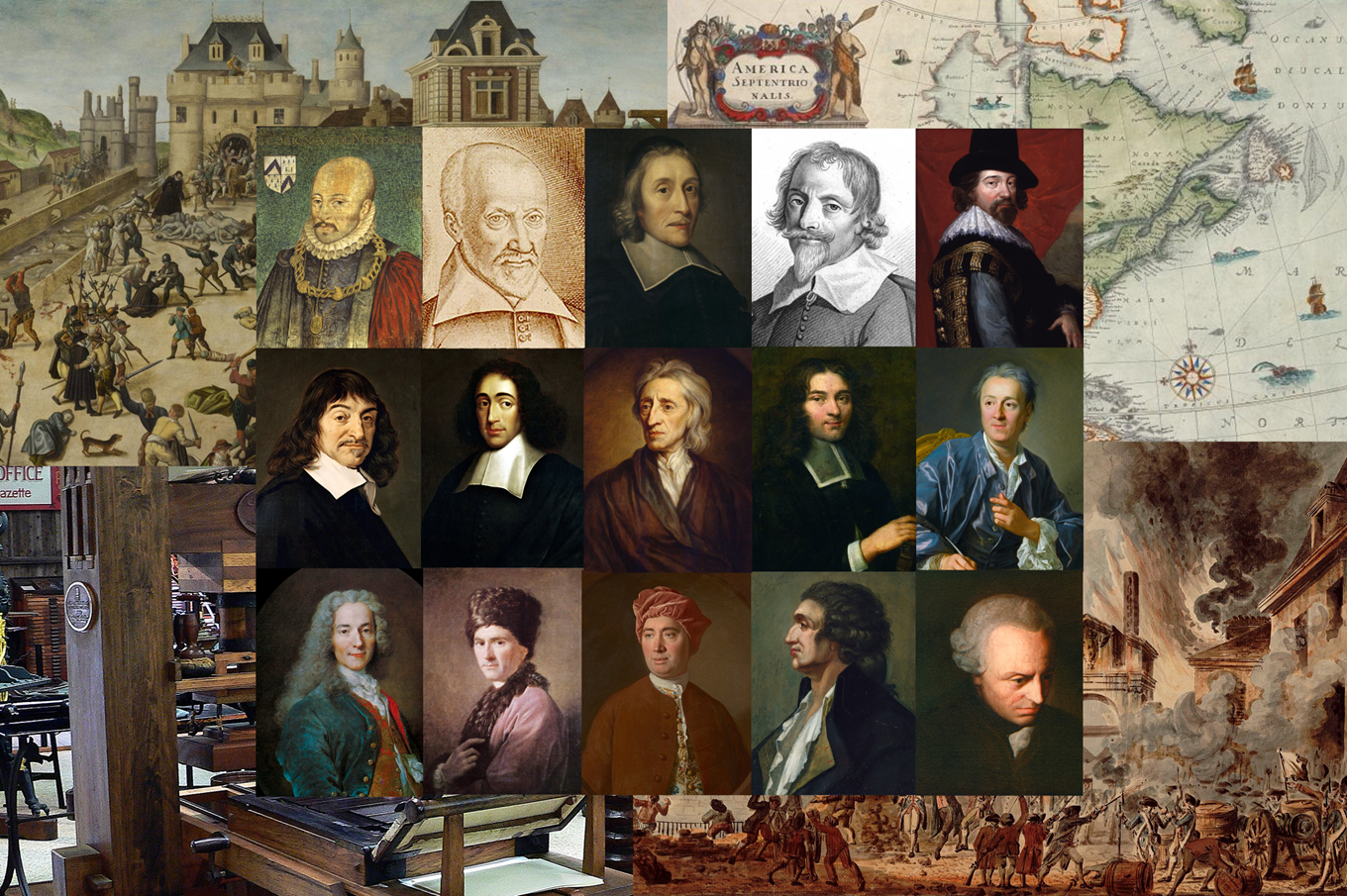
Since the 19th century, Western intellectuals have studied the development of individualization, as opposed to the primacy of society over the individuals who compose it. Probably, the idealizations of the individual as well as the political tensions related to socialism and conservatism have contributed to favouring this angle of analysis. Here, we will focus on…
-
Some Time to Call Into Question our Values

The philosophers of the Enlightenment called into question values related to politics and religion. Within an aristocratic and sometimes despotic world, they advocated for freedom and equality. In doing so, they contributed to laying the political and moral foundations of contemporary Western societies. To what extent are we inclined to question these foundations? Let’s examine…
-
The vigour of the desire for recognition

The previous article concluded with the quest for recognition that individuals embark on, a quest that can come into conflict with a desire for intellectual emancipation. In this one, we will specify what the concept of recognition entails and in what way the desire for recognition interferes with the freedom of thought. Along the way,…
-
Idealization in History

That humans spontaneously idealize and that their idealizations shape them may seem obvious, but the obviousness vanishes when one considers the extent of their knowledge and achievements, which have literally transformed the Earth, not just on the surface. How to distinguish imagination from reality when the former models the latter? The answer to this question…
-
On the omnipresence of oppositions in human interactions

While the end of the 20th century, after the collapse of the USSR, might have raise hopes for a lasting ebb of conflicts and tensions between states,1 the wars in Ukraine and in the Middle East remind us that the trend can be reversed. On the domestic political scenes, oppositions remain systematic outside of national…
-
On the Preponderance of Choice in Western Cultures

The question of choice is historically and philosophically entangled with that of freedom, particularly through the idea of free will.1 However, it does not seem so obvious to intimately associate choice and freedom when we ask ourselves, for instance: how many options must we have to consider ourselves free? If we are between a rock…