Category : Politics
-
Economic Development, Conflict, Political Culture and Equality: Drivers of Democracy from the Sixteenth to the Twentieth Century?
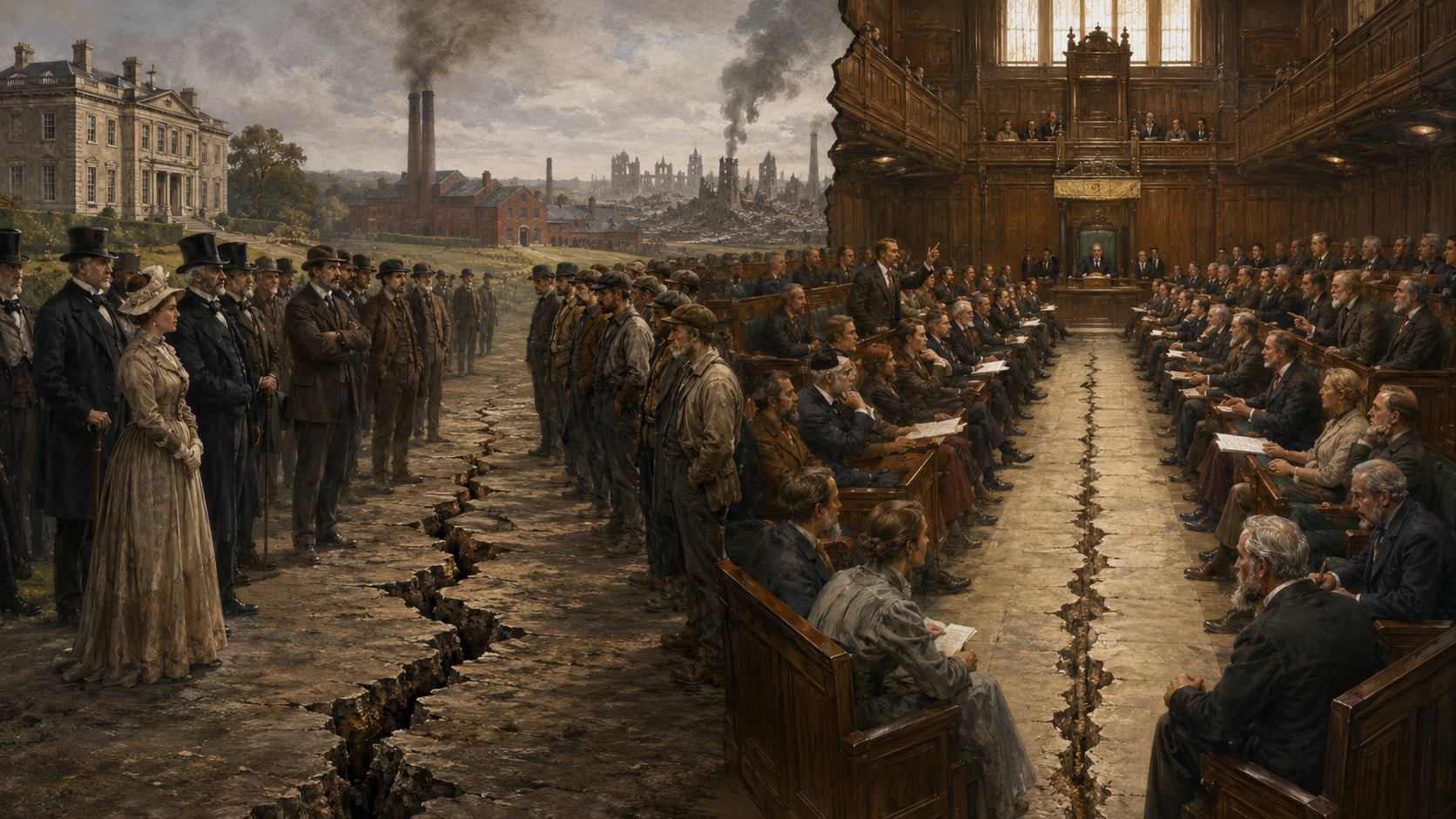
Is the economy a driving force behind democracy or its gravedigger? – Article 4 In the aftermath of the Second World War, when Western societies had reduced their internal inequalities and were experiencing a period of exceptional growth, modernisation theory argued that economic development was a key factor in democratisation and the stability of democracies. Complementary…
-
The Conflicting Orientations of the Early American Republic
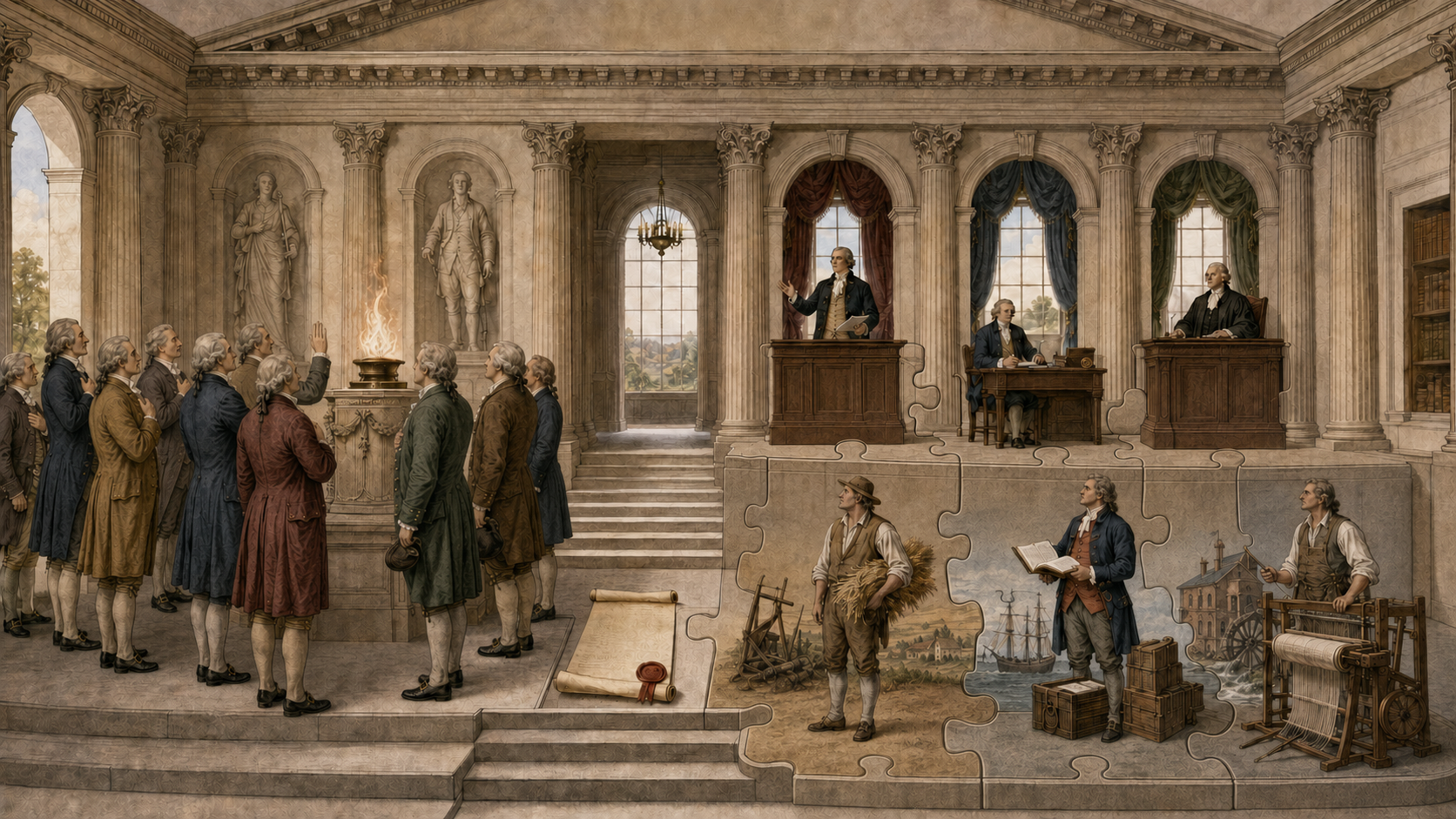
Is the economy a driving force behind democracy or its gravedigger? – Article 3 American independence and the adoption of the federal Constitution constitute two successive and distinct moments in the birth of the United States. From the resolutions of the First Continental Congress in 1774, through the Declaration of Independence in 1776, to the Constitution…
-
Modern Conceptions and Practices of Political Liberty and Equality
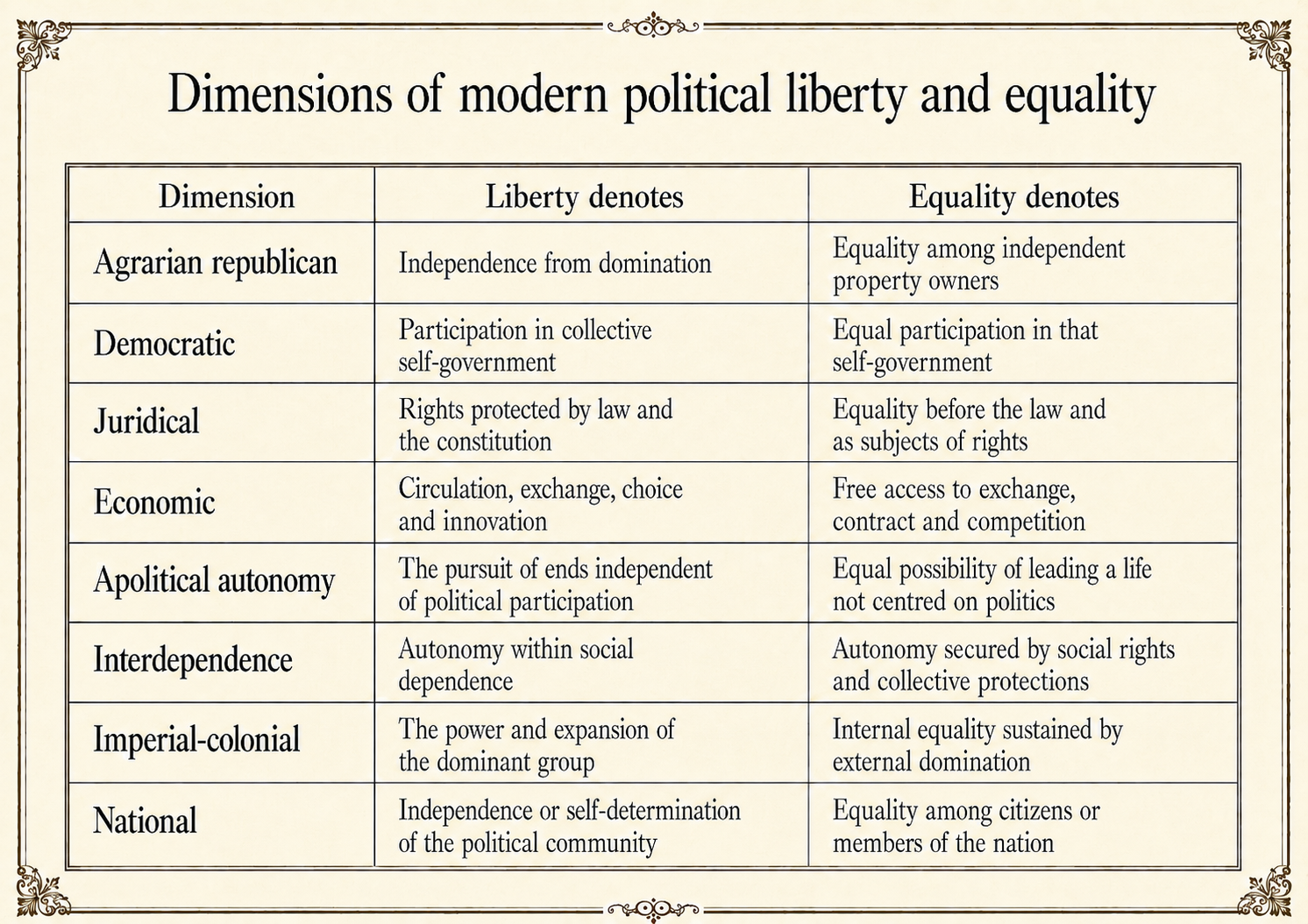
Is the economy a driving force behind democracy or its gravedigger? – Article 2 Political liberty and equality are the two cardinal principles of contemporary democracies. Their meaning may seem familiar, yet it is far from self-evident. Liberty may refer, among other things, to independence from domination, protection against arbitrary power, participation in collective government,…
-
The Drivers of Contemporary Political Chessboards

A host of emotions can crowd in today at the sight of contemporary political and geopolitical theatres: indignation and anger, stoked by proliferating violence and injustice; anxiety generated by technological revolutions and the unpredictability of actors; sadness caused by party fragmentation and national discord; joy sparked by fleeting victories; weariness sustained by the reproduction of…
-
From Antiquity to the Dawn of Modern Revolutions: Did Commerce Foster Equality?
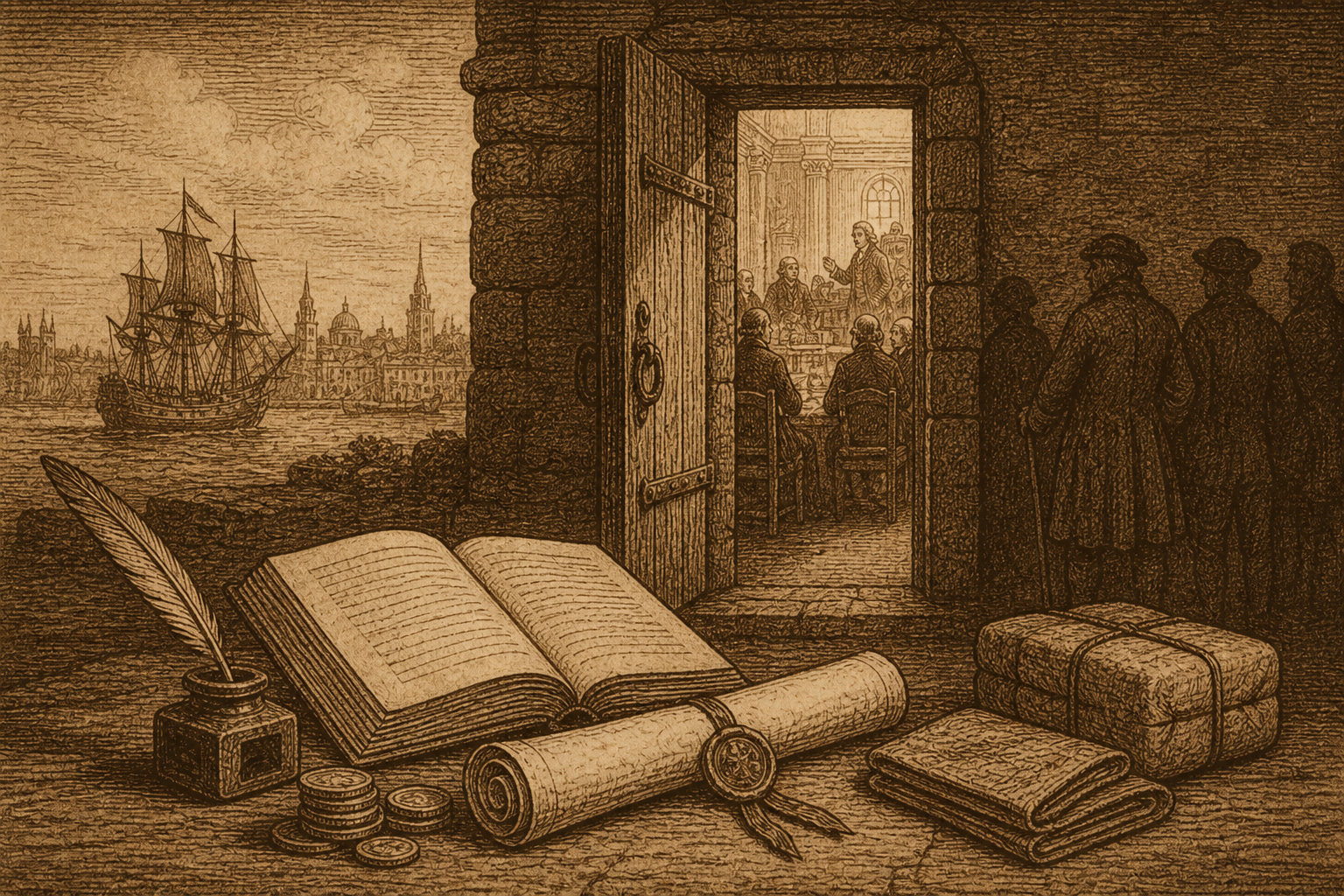
Is the economy a driving force behind democracy or its gravedigger? – Article 1 In Antiquity, the wealth of states rested first and foremost on agriculture.1 While commerce contributed to collective enrichment, it operated within social frameworks shaped by religion and politics. Military victories, for their part, provided booty, slaves and, in cases of conquest,…
-
Is the economy a driving force behind democracy or its gravedigger?
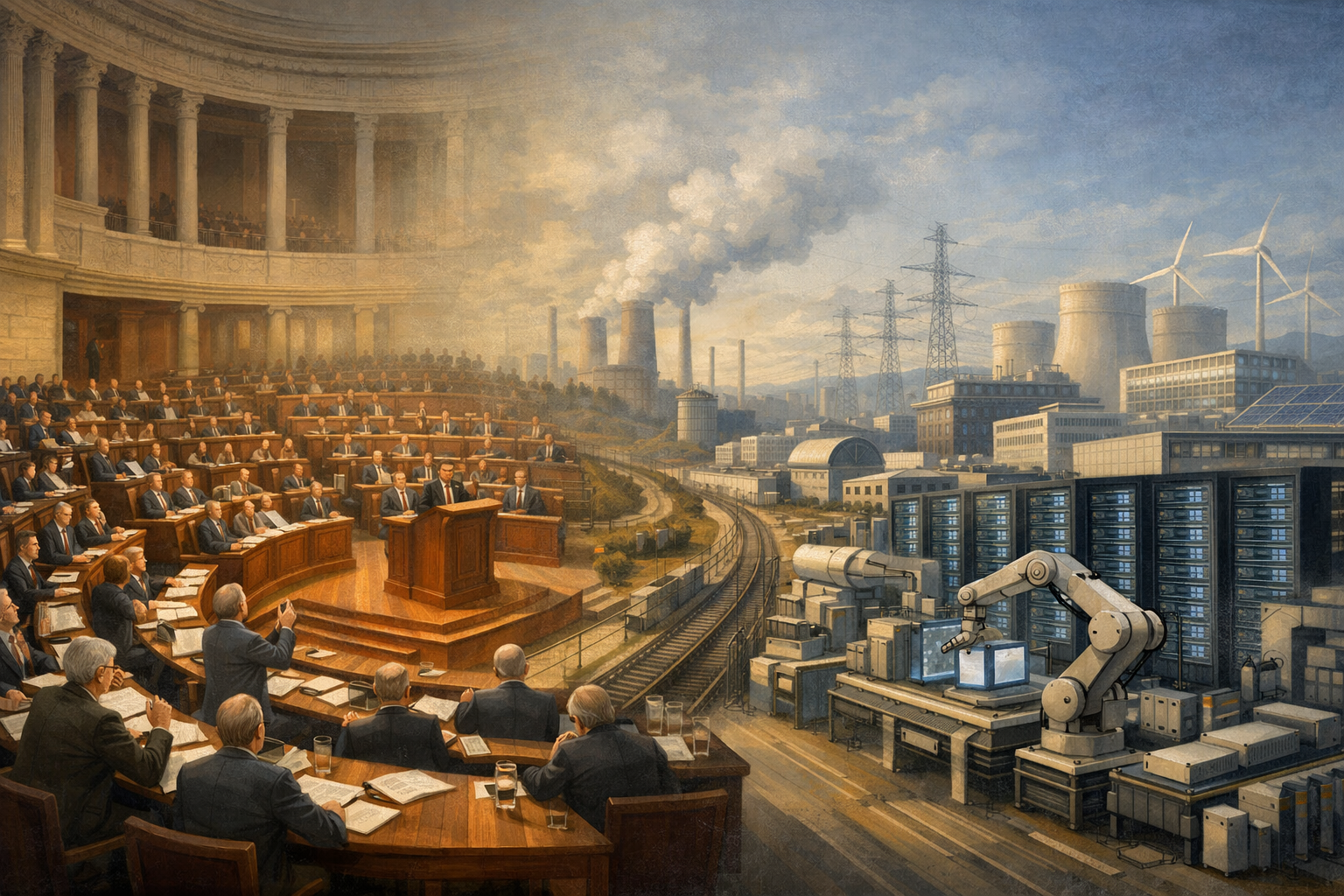
In ancient Greece, the economy was not conceived as a sphere separate from politics,1 itself closely bound up with religion. It appeared in the form of practices — agriculture, craftsmanship, mining, and so on — embedded in the life of the city. Even though trade contributed, for example, to Athenian wealth, it was not regarded…
-
How Interests and Values Rose and Virtue Declined (16th–18th Centuries)
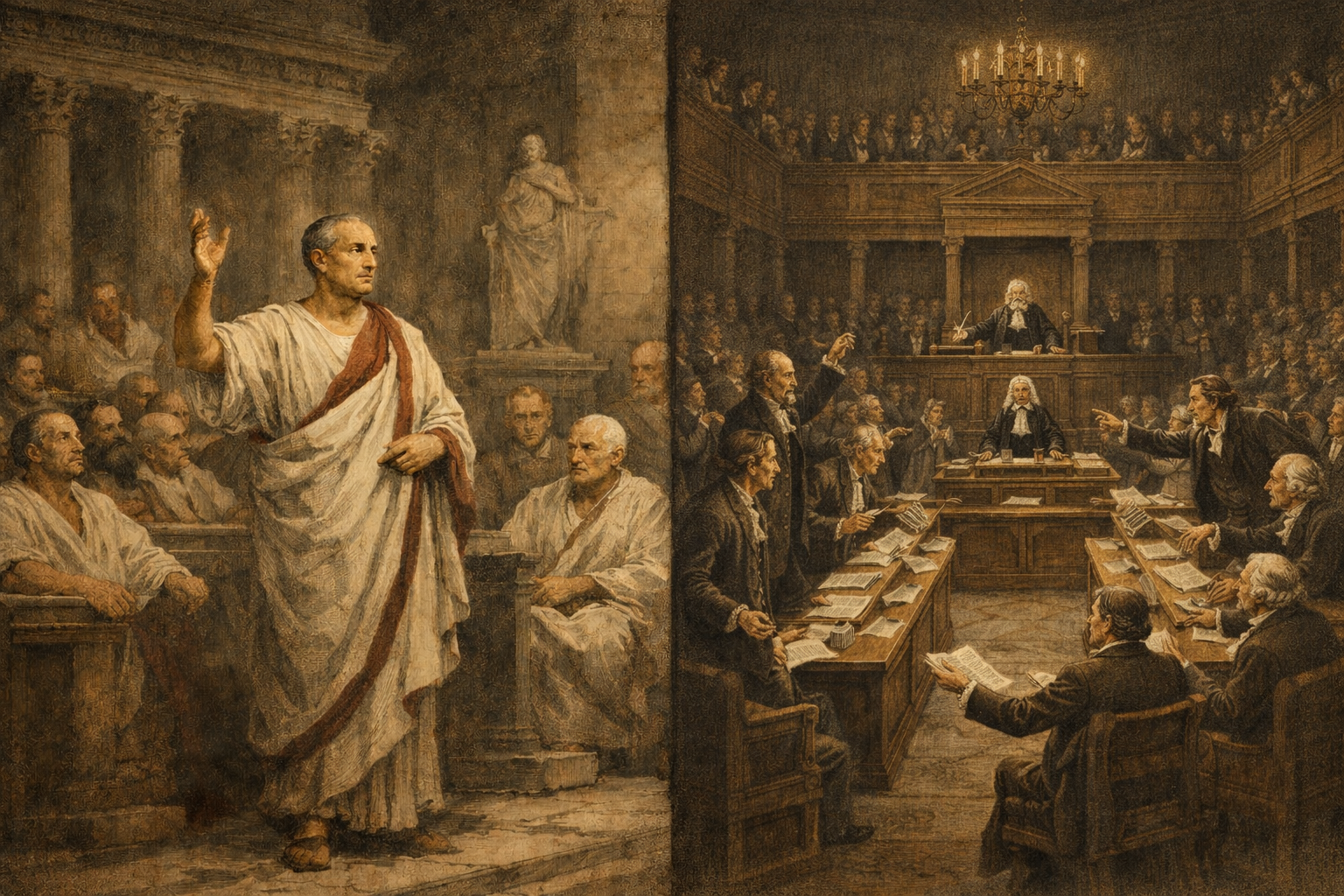
In The Passions and the Interests (1977), the historian Albert O. Hirschman shows how, in the 17th and 18th centuries, the concept of interest established itself as the pivot of justificatory frameworks in political economy.1 His enquiry draws in particular on 17th-century moral philosophy, as well as on Montesquieu, Hume, and Smith. Building on those…
-
Trump is a Symptom, not the Disease

Since the inauguration of Trump’s second term a year ago, the world has shifted: instead of making America great again, his arbitrary and often violent measures have made the country look increasingly hateful, turning the American dream into a nightmare. By acting like a tyrant, he improves the Democrats’ chances of winning the 2026 midterms.…
-
Utility, Work, Distribution: a New Grammar of the Social (19th Century)
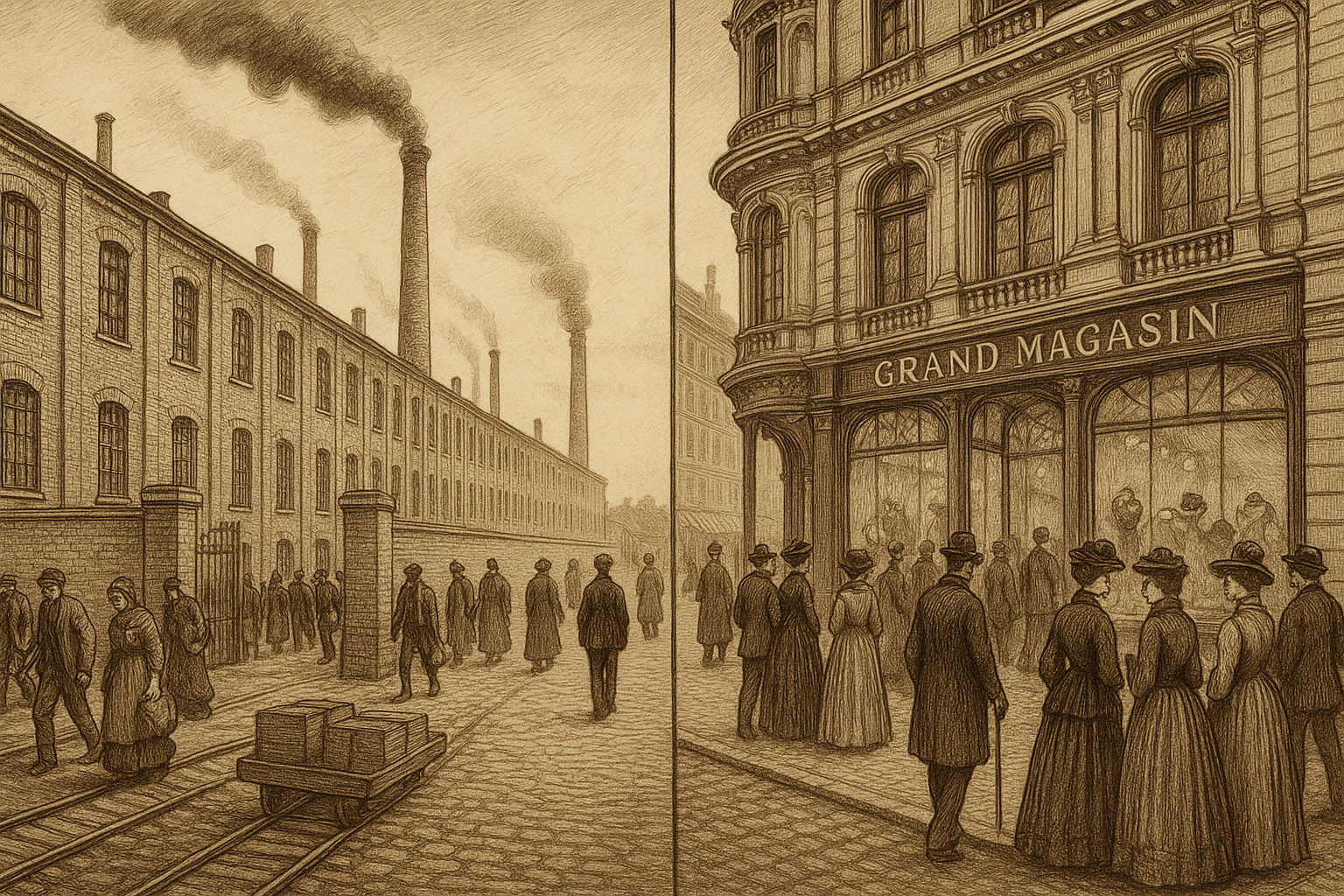
At the Origins of the Valorisation of the Economy (15th–19th Centuries) – Article 5/5 During the eighteenth century, Great Britain conferred an unprecedented status on the economy. The development of credit and investment projects, the gradual emergence of a manufacturing industry and a consumer society, the expansion of an increasingly integrated domestic and colonial market—all…
-
Interests as the driving forces of social recomposition in eighteenth-century Great Britain
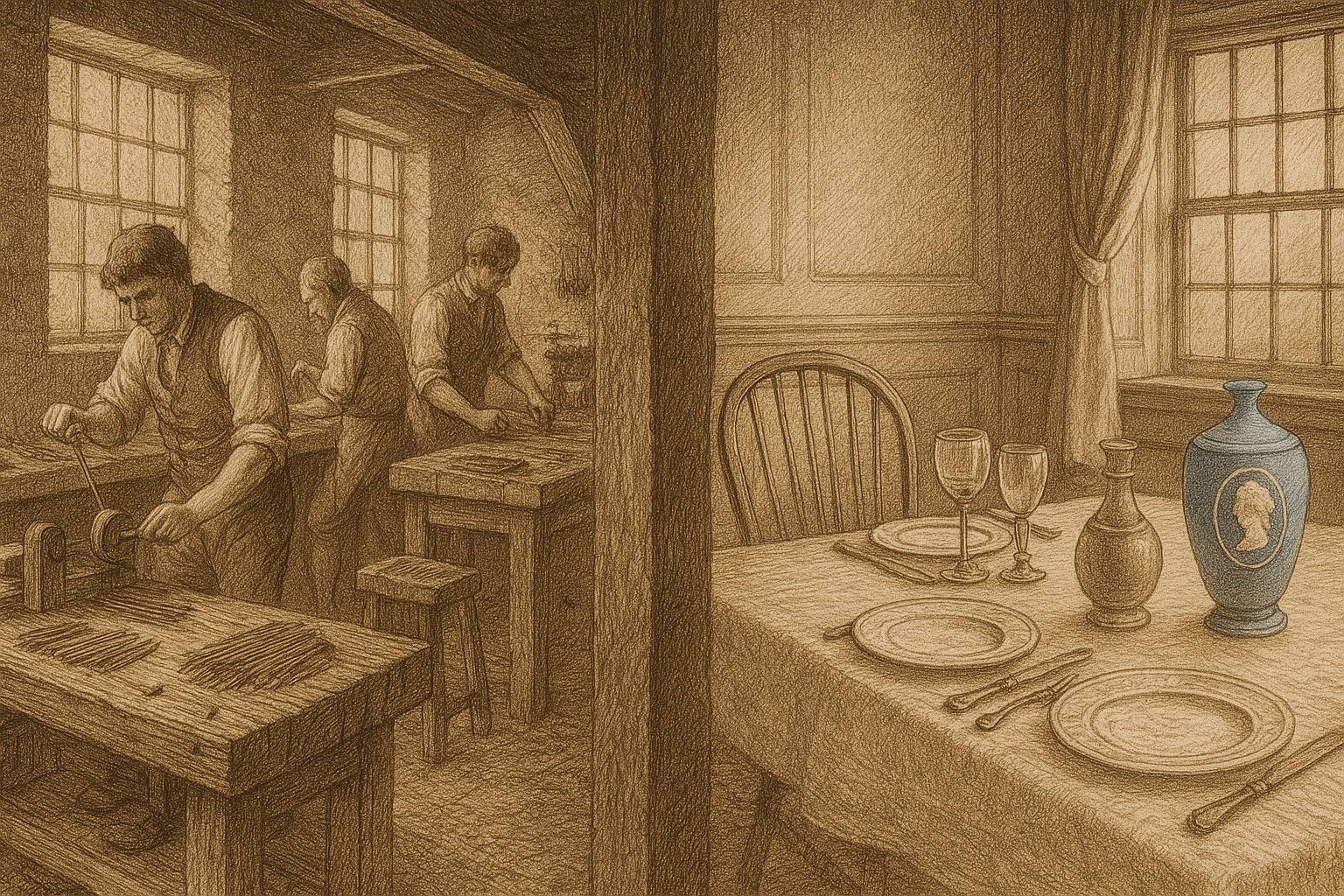
At the Origins of the Valorisation of the Economy (15th–19th Centuries) – Article 4 In eighteenth-century Great Britain, the word “interest” condenses heterogeneous realities that we now distinguish in order to avoid confusion. First, there is financial interest, an instrumental category and the primary one etymologically, which designates the temporal cost of a debt. It…