Category : Economics
-
When the Economy Becomes a Value: The Turning Point of the Italian Renaissance
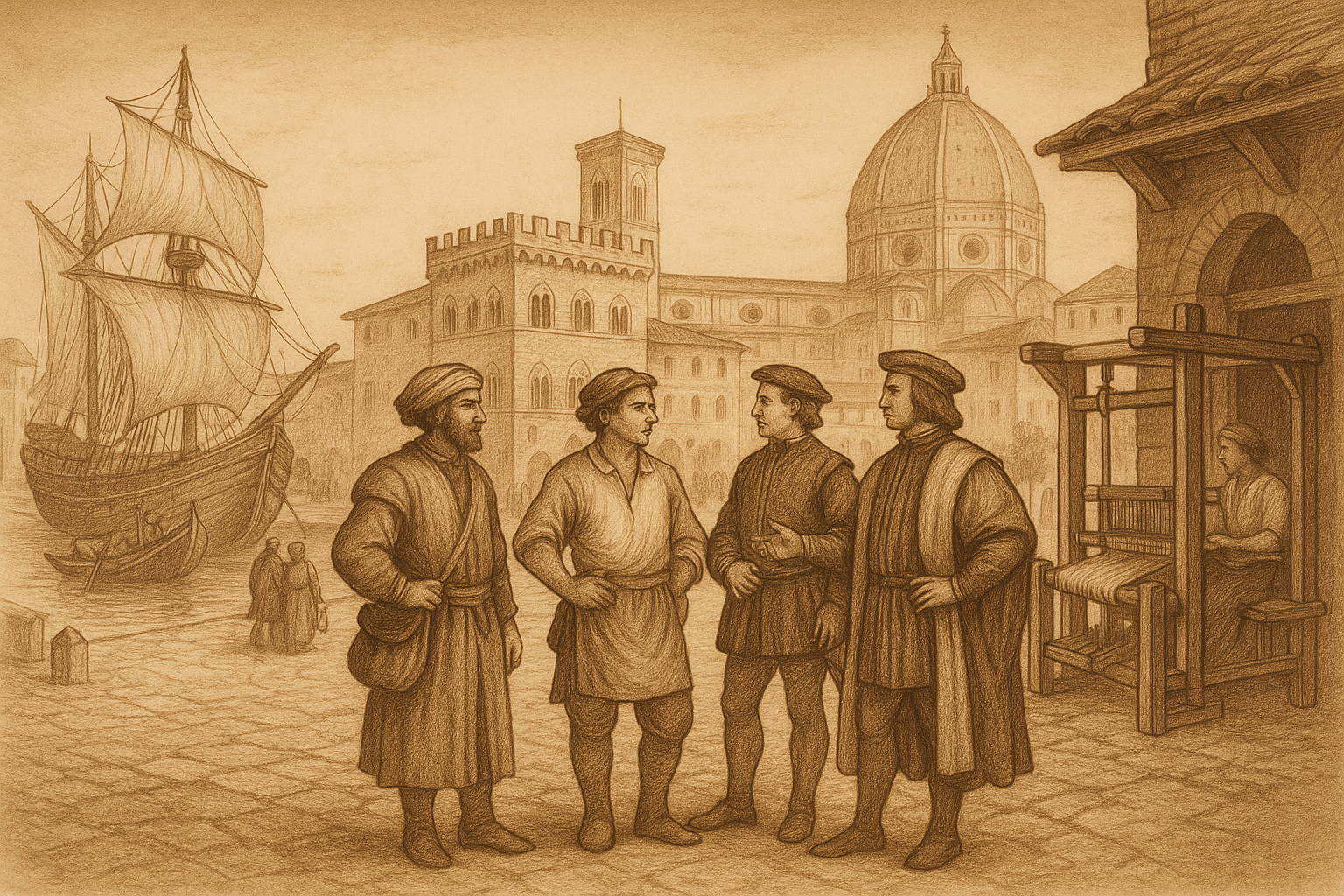
At the turn from the Middle Ages to the Renaissance, the northern Italian city-states usher in a decisive shift: the economy is no longer merely a means of subsistence but becomes a value in political and moral terms. Florence and Venice, governed by oligarchies blending nobility and bourgeoisie, stand out for systems of government markedly…
-
At the Origins of the Valorisation of the Economy (15th–19th Centuries)
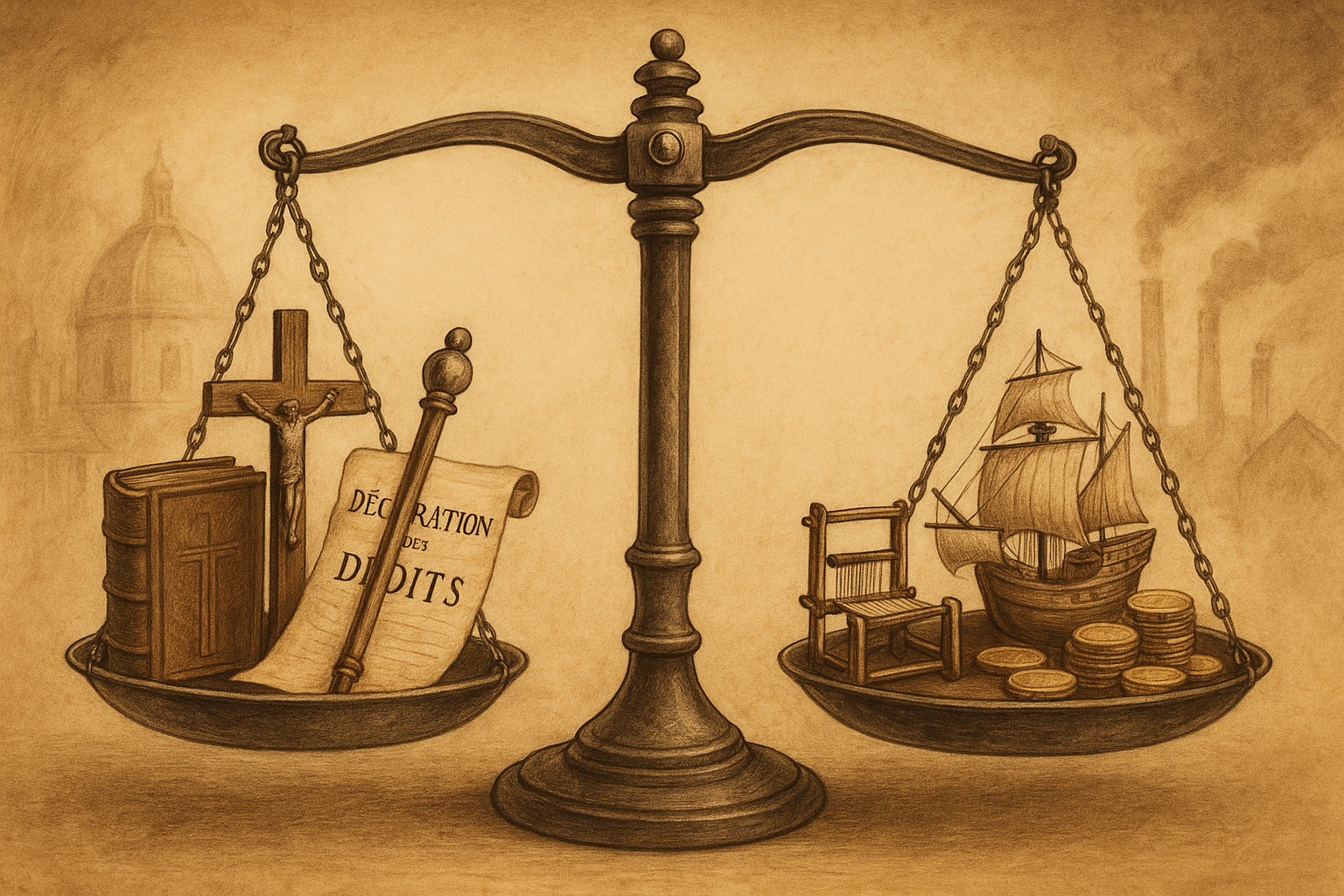
In briefThis series of articles traces how the economy, morally disqualified in the Middle Ages, has been socially and politically valorised since the 15th century. Historical and conceptual itinerary: the Italian Renaissance, the Spanish and Dutch empires, 17th-18th-century England, and 19th-century philosophies. In a world where sustained growth is no longer a given, understanding how…
-
Western Authoritarianisms or the Denial of a Global Evolution
Protectionist vs. Neoliberal Authoritarianisms Since his second inauguration as President of the United States, D. Trump has dominated the news, particularly due to his brutal attitude and arbitrary decisions that endanger American democracy, which is based on the existence of checks and balances. In this context, it is ironic to hear Vice President J.D. Vance…
-
On the Role of Technical Culture in Innovation and the Limits of Innovation Today
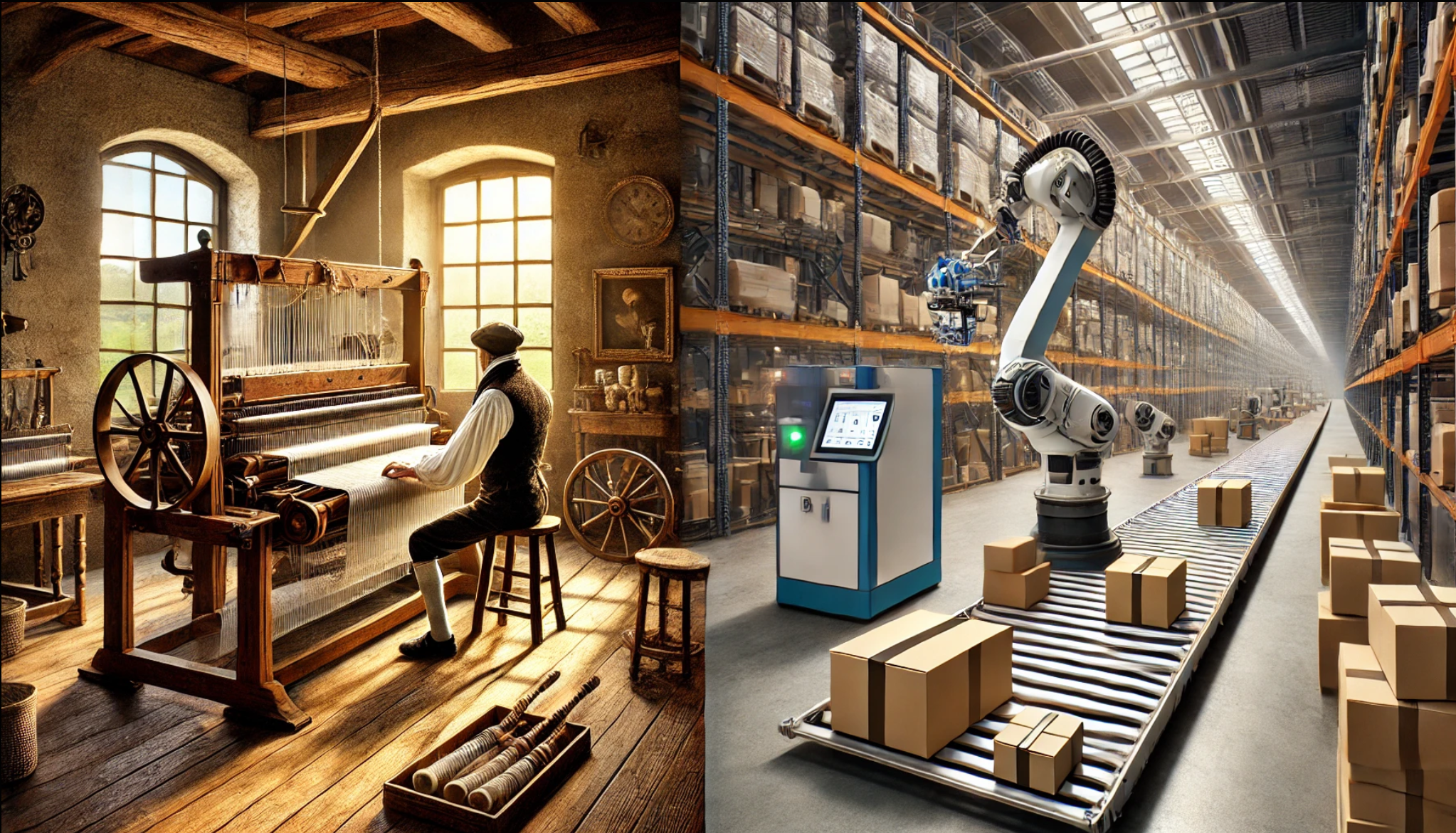
Technical Culture as a Factor in the First Industrial Revolution In Power and Progress, Daron Acemoglu and Simon Johnson provide a detailed account of how technological advancements have rarely benefited the entire population. Their fascinating investigation, spanning from the Neolithic era to the present day, supports the idea—dating back at least to Rousseau—that inequalities increased…