Category : Economics
-
Economic Development, Conflict, Political Culture and Equality: Drivers of Democracy from the Sixteenth to the Twentieth Century?
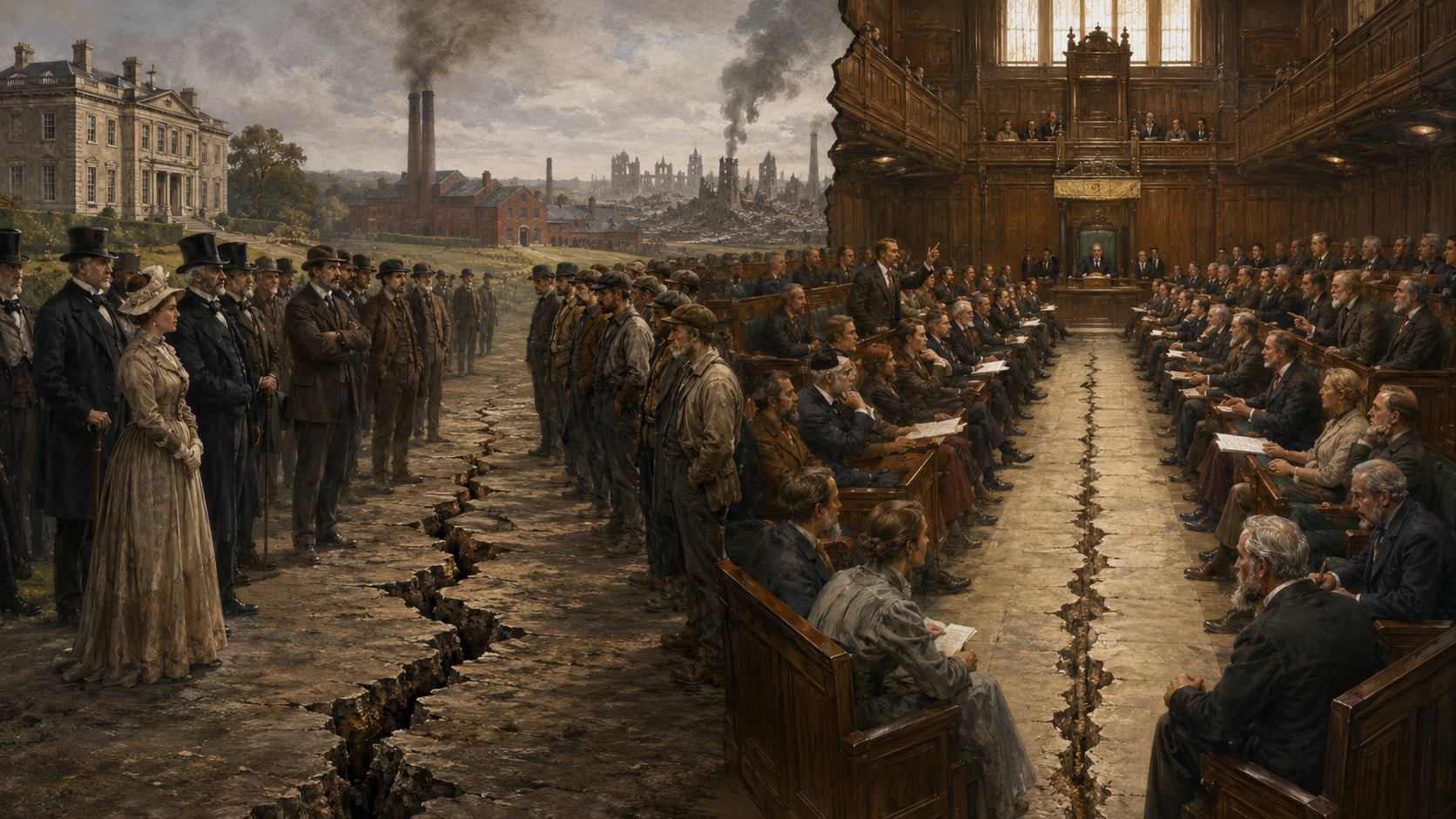
Is the economy a driving force behind democracy or its gravedigger? – Article 4 In the aftermath of the Second World War, when Western societies had reduced their internal inequalities and were experiencing a period of exceptional growth, modernisation theory argued that economic development was a key factor in democratisation and the stability of democracies. Complementary…
-
From Antiquity to the Dawn of Modern Revolutions: Did Commerce Foster Equality?
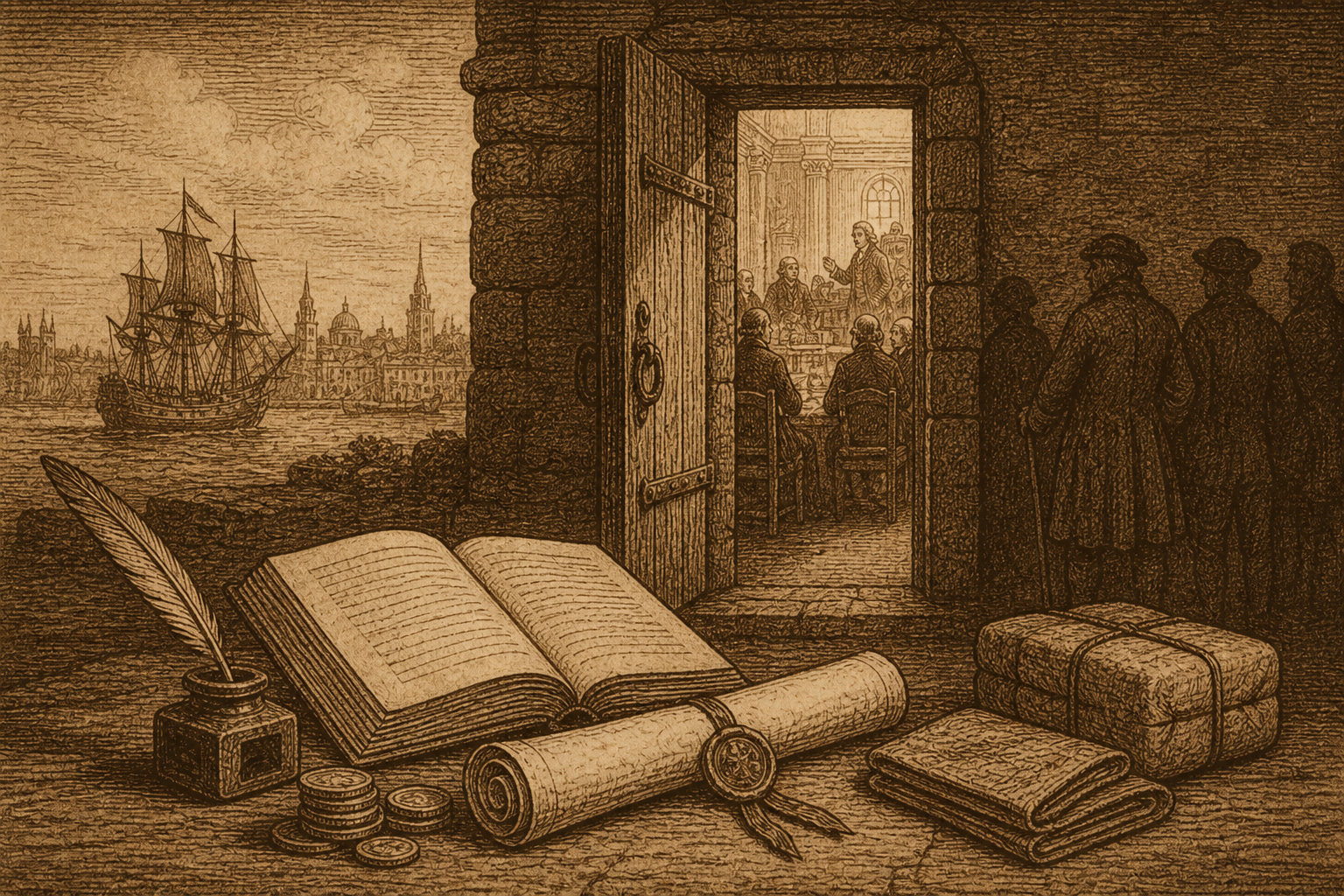
Is the economy a driving force behind democracy or its gravedigger? – Article 1 In Antiquity, the wealth of states rested first and foremost on agriculture.1 While commerce contributed to collective enrichment, it operated within social frameworks shaped by religion and politics. Military victories, for their part, provided booty, slaves and, in cases of conquest,…
-
Is the economy a driving force behind democracy or its gravedigger?
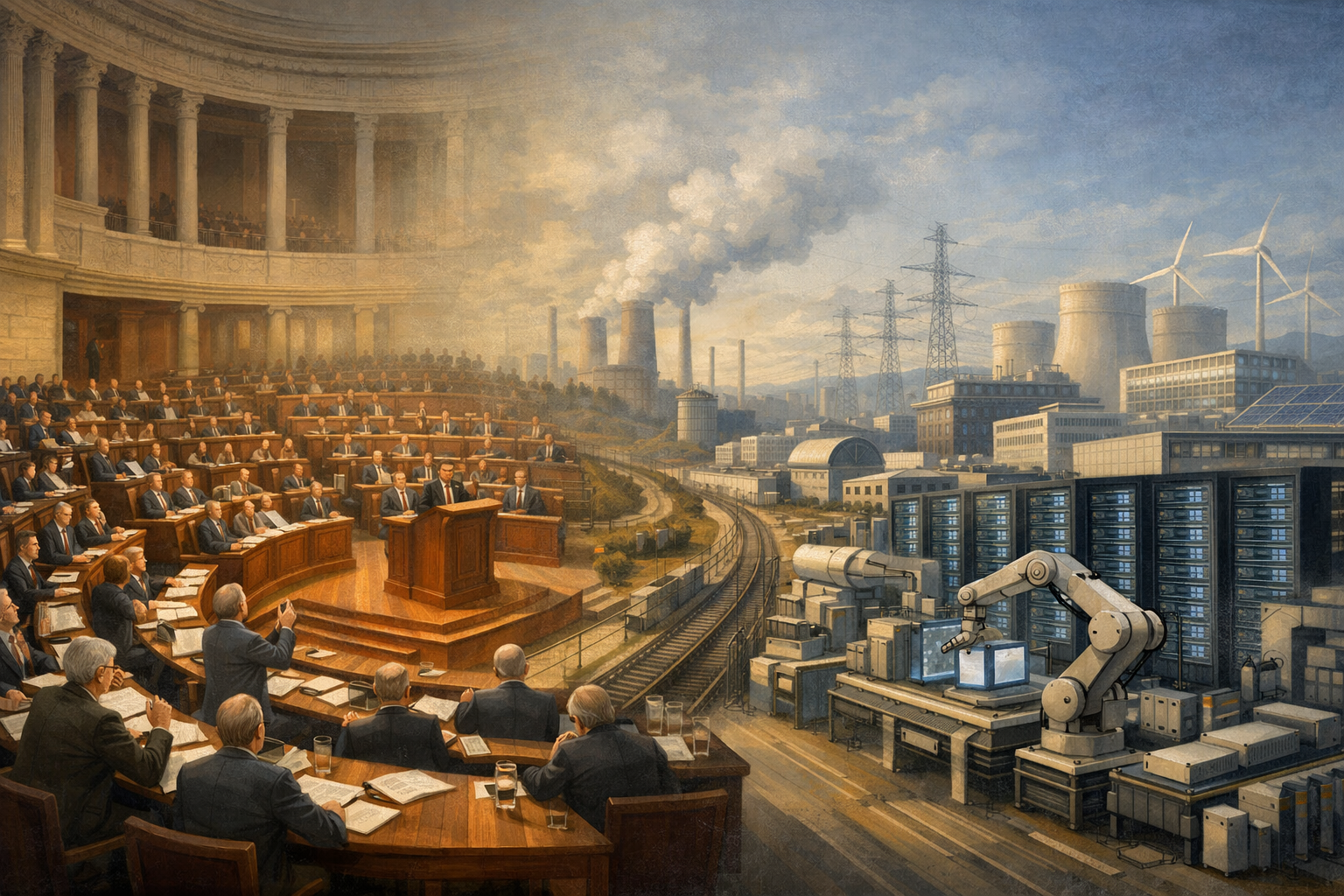
In ancient Greece, the economy was not conceived as a sphere separate from politics,1 itself closely bound up with religion. It appeared in the form of practices — agriculture, craftsmanship, mining, and so on — embedded in the life of the city. Even though trade contributed, for example, to Athenian wealth, it was not regarded…
-
Trump is a Symptom, not the Disease

Since the inauguration of Trump’s second term a year ago, the world has shifted: instead of making America great again, his arbitrary and often violent measures have made the country look increasingly hateful, turning the American dream into a nightmare. By acting like a tyrant, he improves the Democrats’ chances of winning the 2026 midterms.…
-
How Technologies Are Eroding Creative Destruction

Contemporary technologies inspire radically divergent diagnoses. On one side, they are portrayed as the main engine of a new wave of growth and jobs, driven by automation, computing, the internet, and now artificial intelligence. On the other, they are taken to signal a darker rupture, in which work tends to recede—up to the point of…
-
Utility, Work, Distribution: a New Grammar of the Social (19th Century)
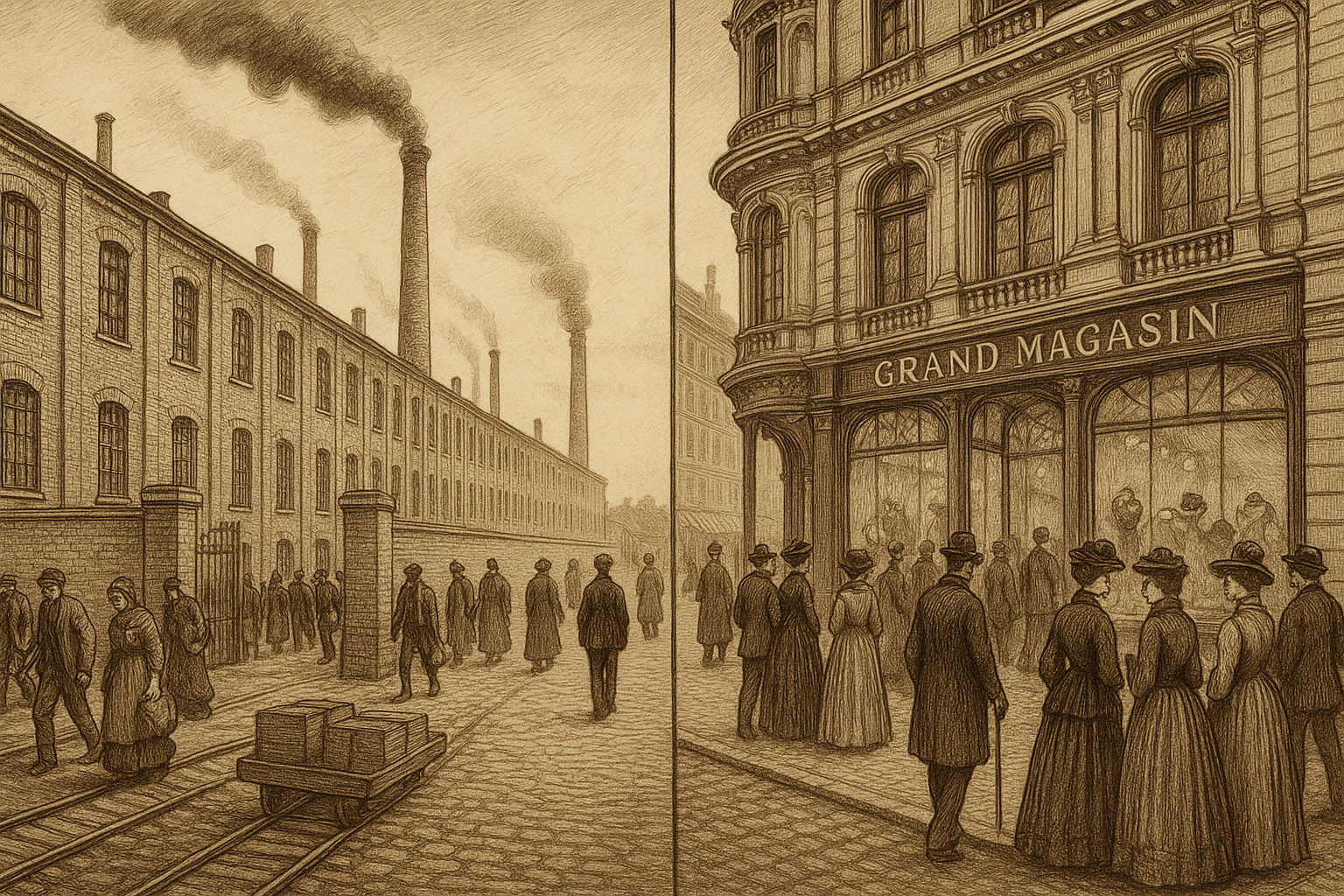
At the Origins of the Valorisation of the Economy (15th–19th Centuries) – Article 5/5 During the eighteenth century, Great Britain conferred an unprecedented status on the economy. The development of credit and investment projects, the gradual emergence of a manufacturing industry and a consumer society, the expansion of an increasingly integrated domestic and colonial market—all…
-
Interests as the driving forces of social recomposition in eighteenth-century Great Britain
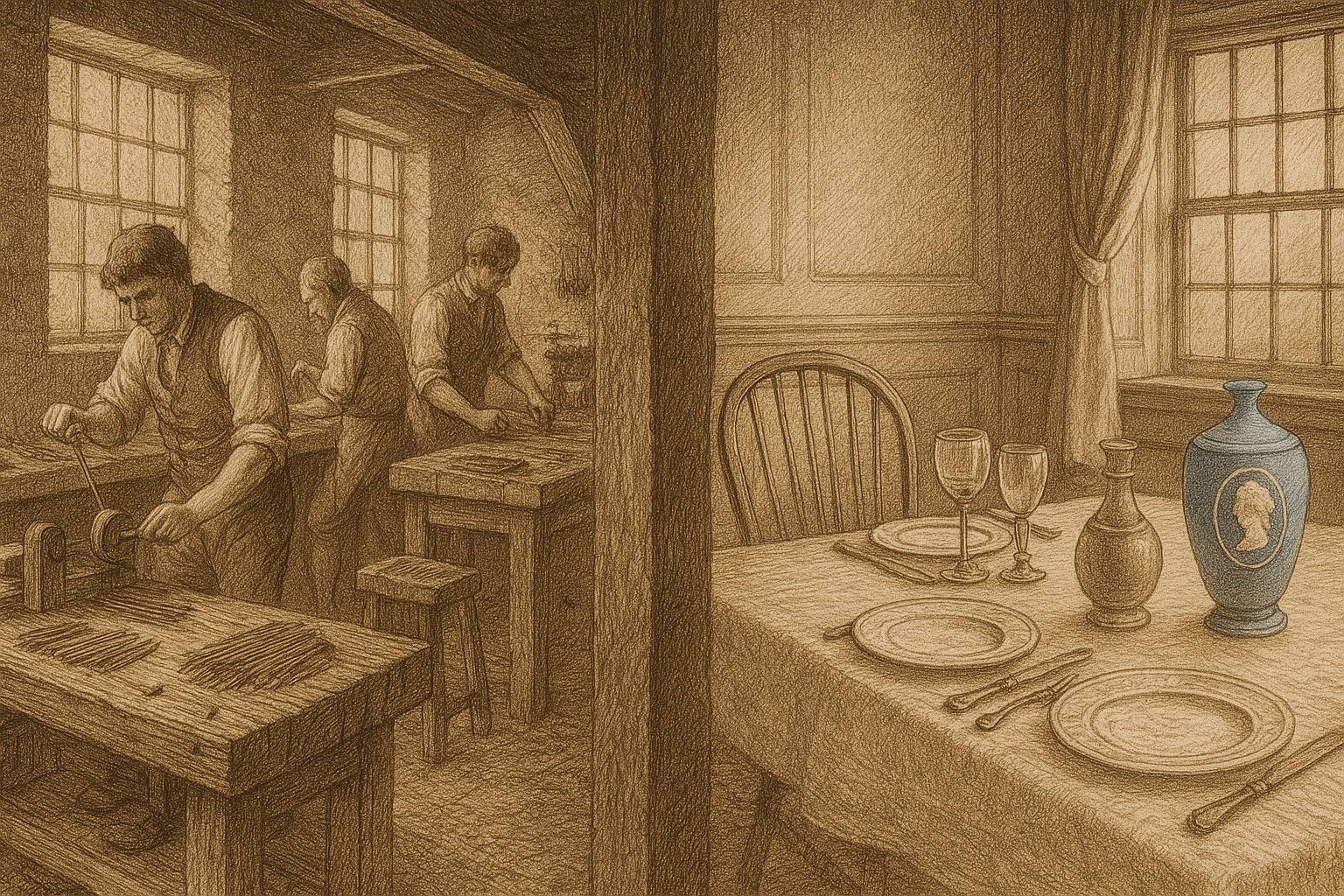
At the Origins of the Valorisation of the Economy (15th–19th Centuries) – Article 4 In eighteenth-century Great Britain, the word “interest” condenses heterogeneous realities that we now distinguish in order to avoid confusion. First, there is financial interest, an instrumental category and the primary one etymologically, which designates the temporal cost of a debt. It…
-
Wealth as a Political Principle: England, 17th–18th Centuries
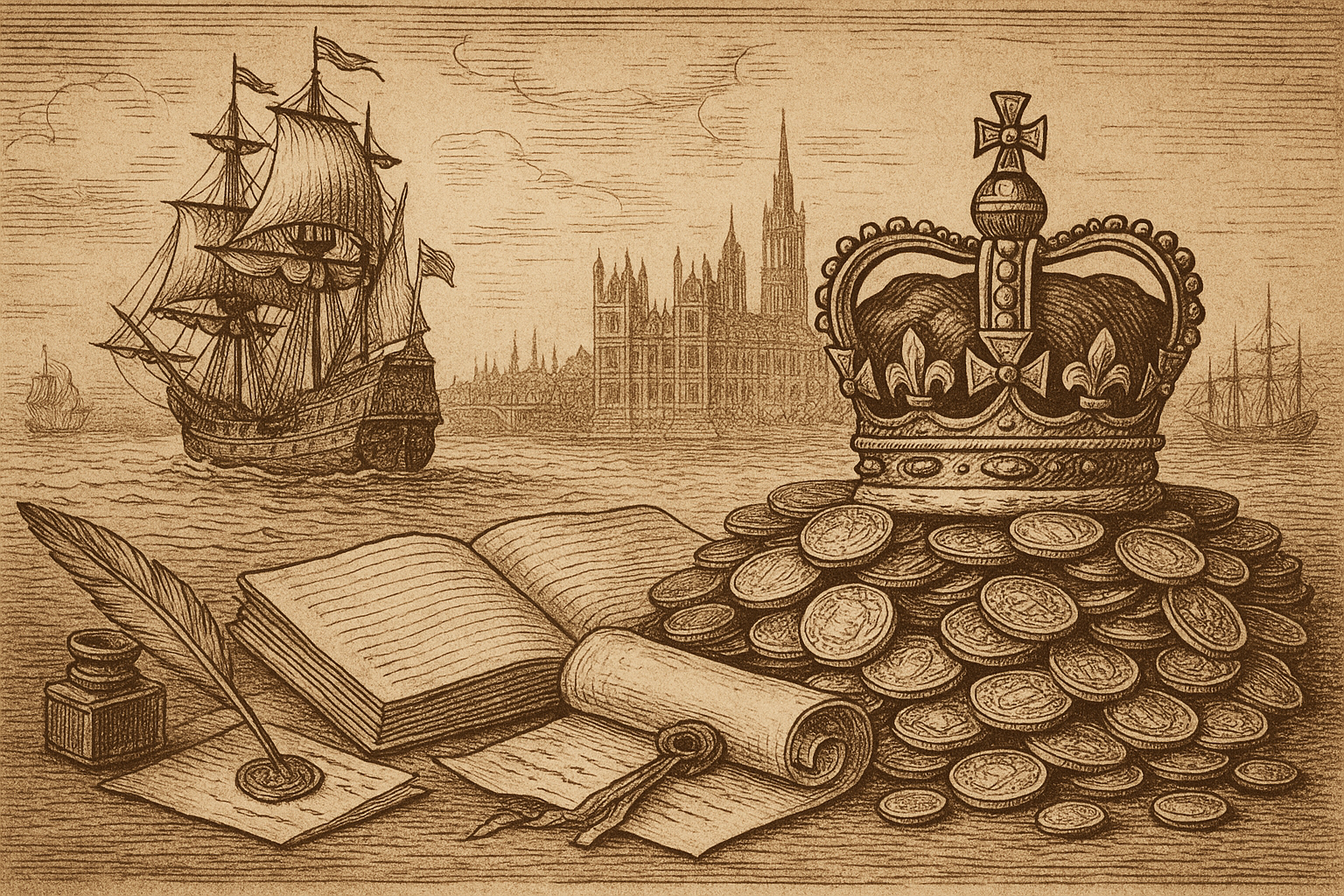
At the Origins of the Valorisation of the Economy (15th–19th Centuries) – Article 3 From the mid-16th to the 18th century, European power underwent a profound transformation. The strength of a state was no longer conceived only in terms of dynastic lineage, military glory, or defence of the true faith. Wealth ceased to be a…
-
Berlin’s new stance towards Beijing shows how the global balance of power is shifting
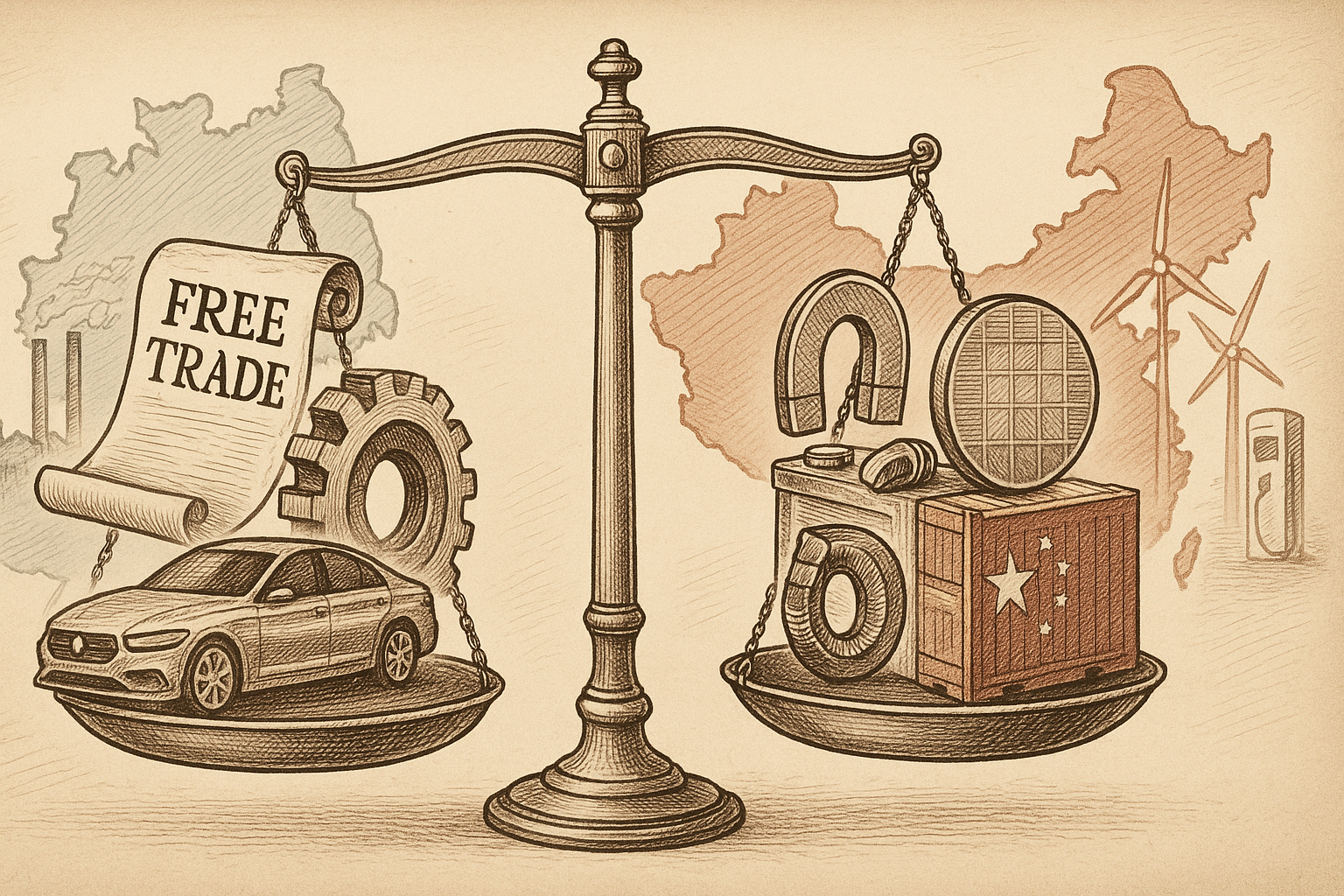
In a « Le Monde » article about tensions between Berlin and Beijing, the journalist writes: “The paradigm shift in international trade, where the strategic dominance of resources and raw materials, sensitive technologies and markets has replaced the rules of free trade, has deteriorated the position of German companies.”1 This raises a question: did strategic domination of…
-
The Age of Extractive and Commercial Empires: Spain and the Dutch Republic (16th–17th Centuries)
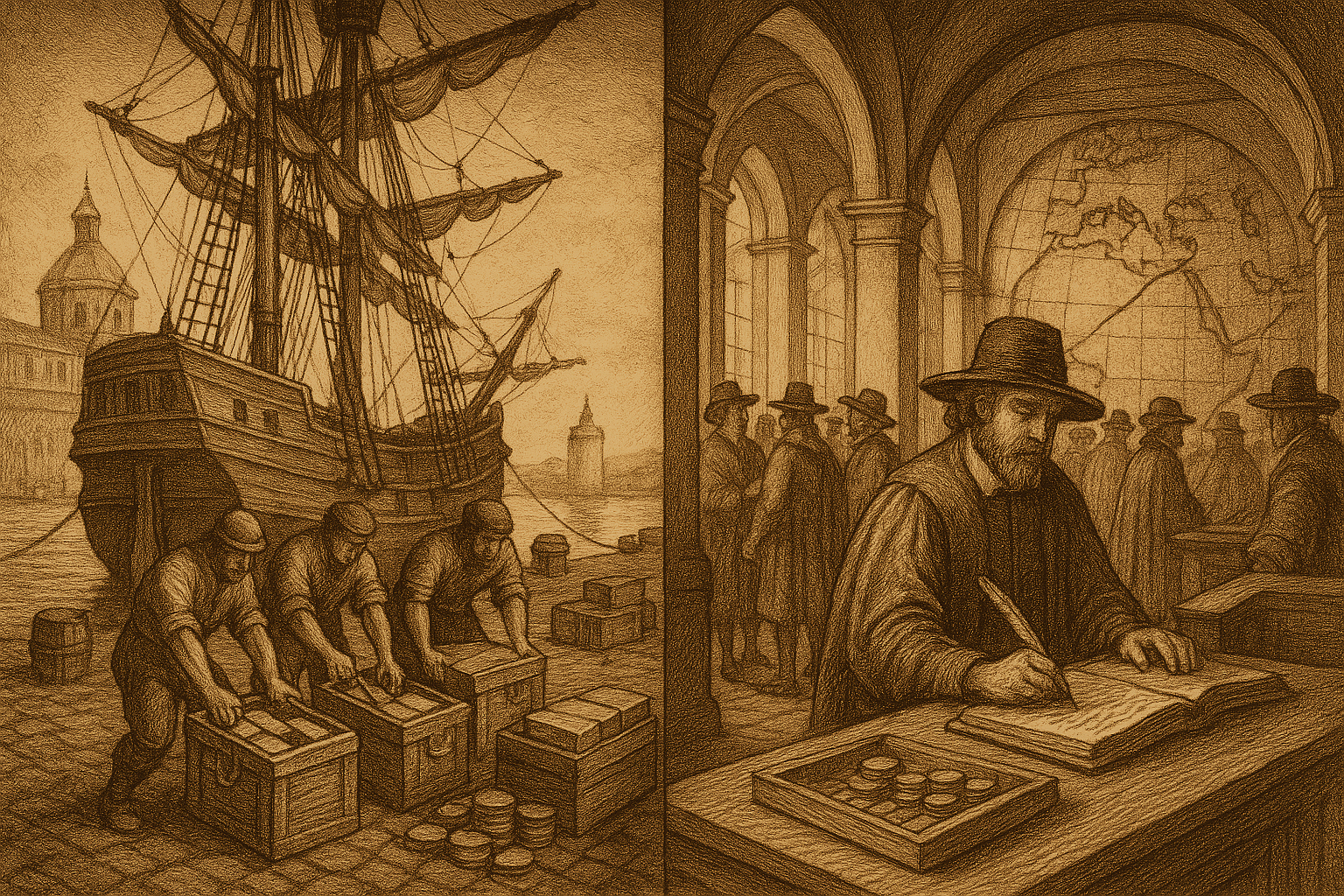
At the Origins of the Valorisation of the Economy (15th–19th Centuries) – Article 2 Spain and the Dutch Republic embody two paths into the first globalisation: the former rested on extraction and imperial coercion; the latter on the organised circulation of goods, information, and credit. From the mines of Potosí to the payment fairs of…