Category : Concepts
-
How Technologies Are Eroding Creative Destruction

Contemporary technologies inspire radically divergent diagnoses. On one side, they are portrayed as the main engine of a new wave of growth and jobs, driven by automation, computing, the internet, and now artificial intelligence. On the other, they are taken to signal a darker rupture, in which work tends to recede—up to the point of…
-
Humans and AI: Two Messy Paths to Knowing the World

Over the past two years, large language models (LLMs) have triggered a familiar split in reactions: enthusiasm, alarm, and a growing chorus of criticism. Among the sceptics, Yann LeCun occupies a particular place. As one of the architects of deep learning, he speaks not from the outside but from the very centre of the field,…
-
Models in Economics and Sociology: A Conceptual Toolbox
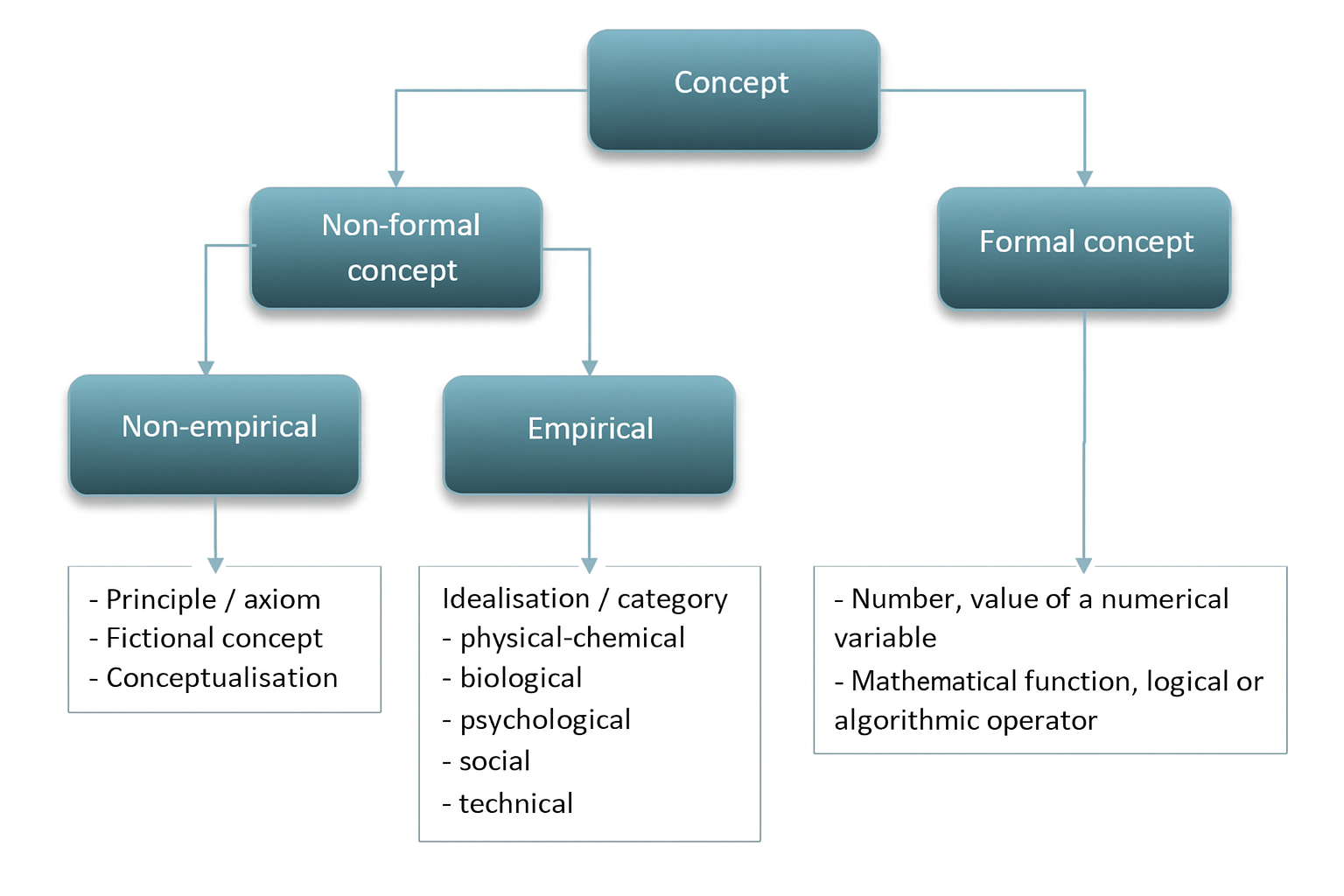
Drawing on earlier work that has examined scientific models in a historical perspective,1 with particular attention to physics, this article turns to models in economics and sociology. In this perspective, the aim is less to offer an exhaustive typology of models than to sketch out a general interpretative framework – a conceptual toolbox – for…
-
Utility, Work, Distribution: a New Grammar of the Social (19th Century)
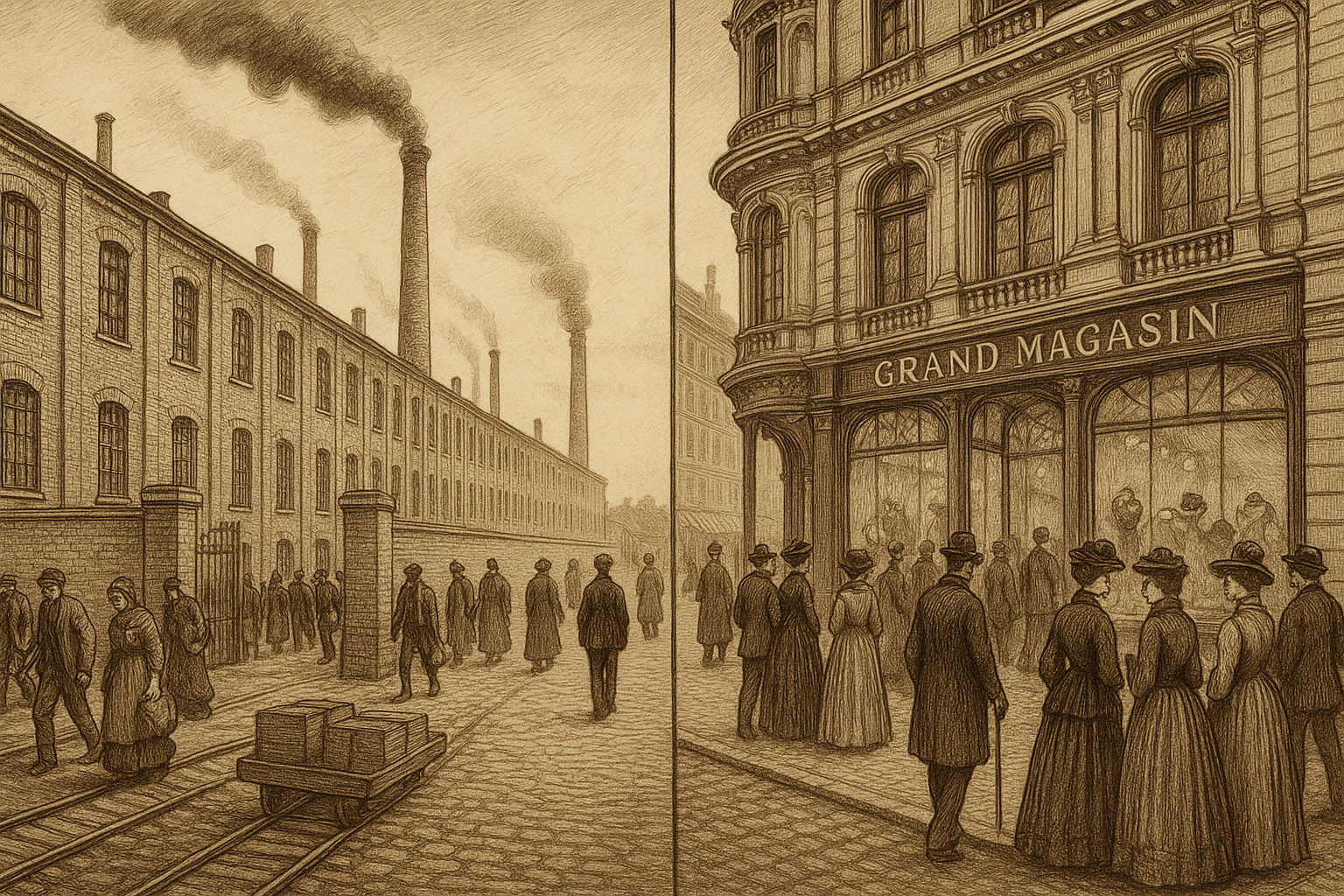
At the Origins of the Valorisation of the Economy (15th–19th Centuries) – Article 5/5 During the eighteenth century, Great Britain conferred an unprecedented status on the economy. The development of credit and investment projects, the gradual emergence of a manufacturing industry and a consumer society, the expansion of an increasingly integrated domestic and colonial market—all…
-
Interests as the driving forces of social recomposition in eighteenth-century Great Britain

At the Origins of the Valorisation of the Economy (15th–19th Centuries) – Article 4 In eighteenth-century Great Britain, the word “interest” condenses heterogeneous realities that we now distinguish in order to avoid confusion. First, there is financial interest, an instrumental category and the primary one etymologically, which designates the temporal cost of a debt. It…
-
1789: Sovereignty and the Impossible Harmony of Interests
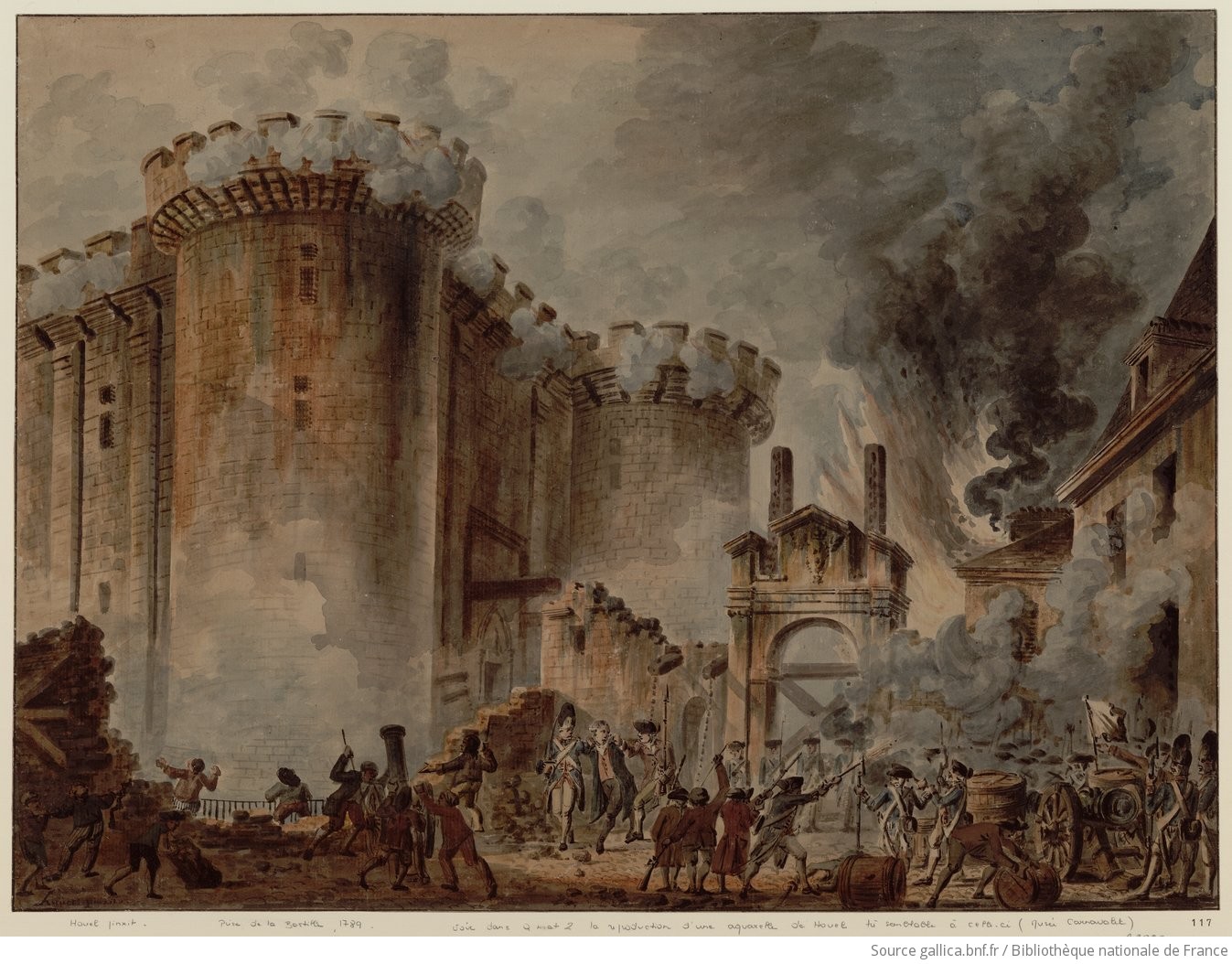
Robert Darnton’s The Revolutionary Temper offers a vivid picture of the moral climate that preceded 1789. He uncovers the accumulated resentment of ordinary people against the Crown, the nobility, and the clergy—a resentment sharpened by hunger and humiliation. Yet emotions, however intense, do not by themselves make a revolution. They ignite revolt, not political transformation.…
-
Wealth as a Political Principle: England, 17th–18th Centuries
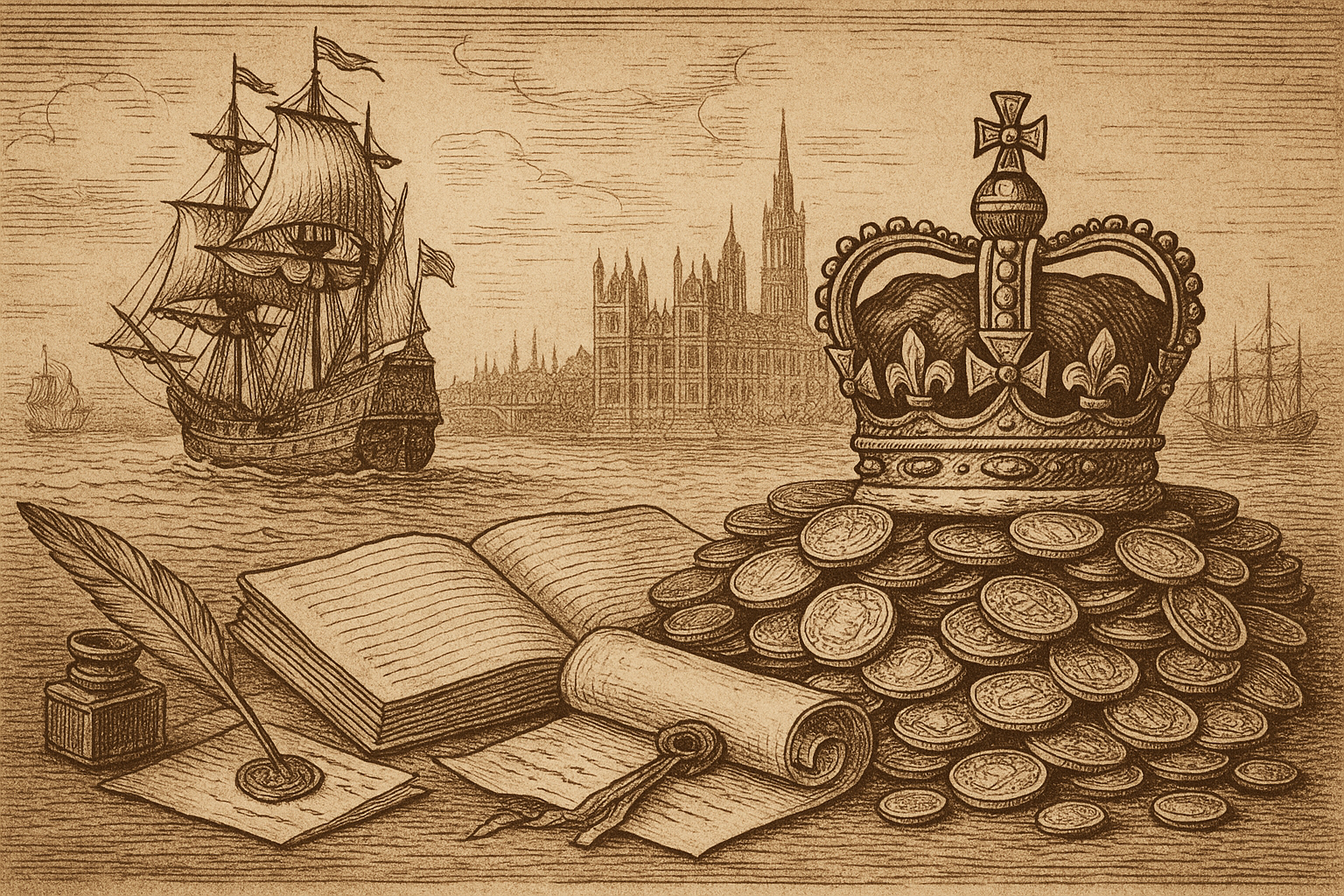
At the Origins of the Valorisation of the Economy (15th–19th Centuries) – Article 3 From the mid-16th to the 18th century, European power underwent a profound transformation. The strength of a state was no longer conceived only in terms of dynastic lineage, military glory, or defence of the true faith. Wealth ceased to be a…
-
Berlin’s new stance towards Beijing shows how the global balance of power is shifting
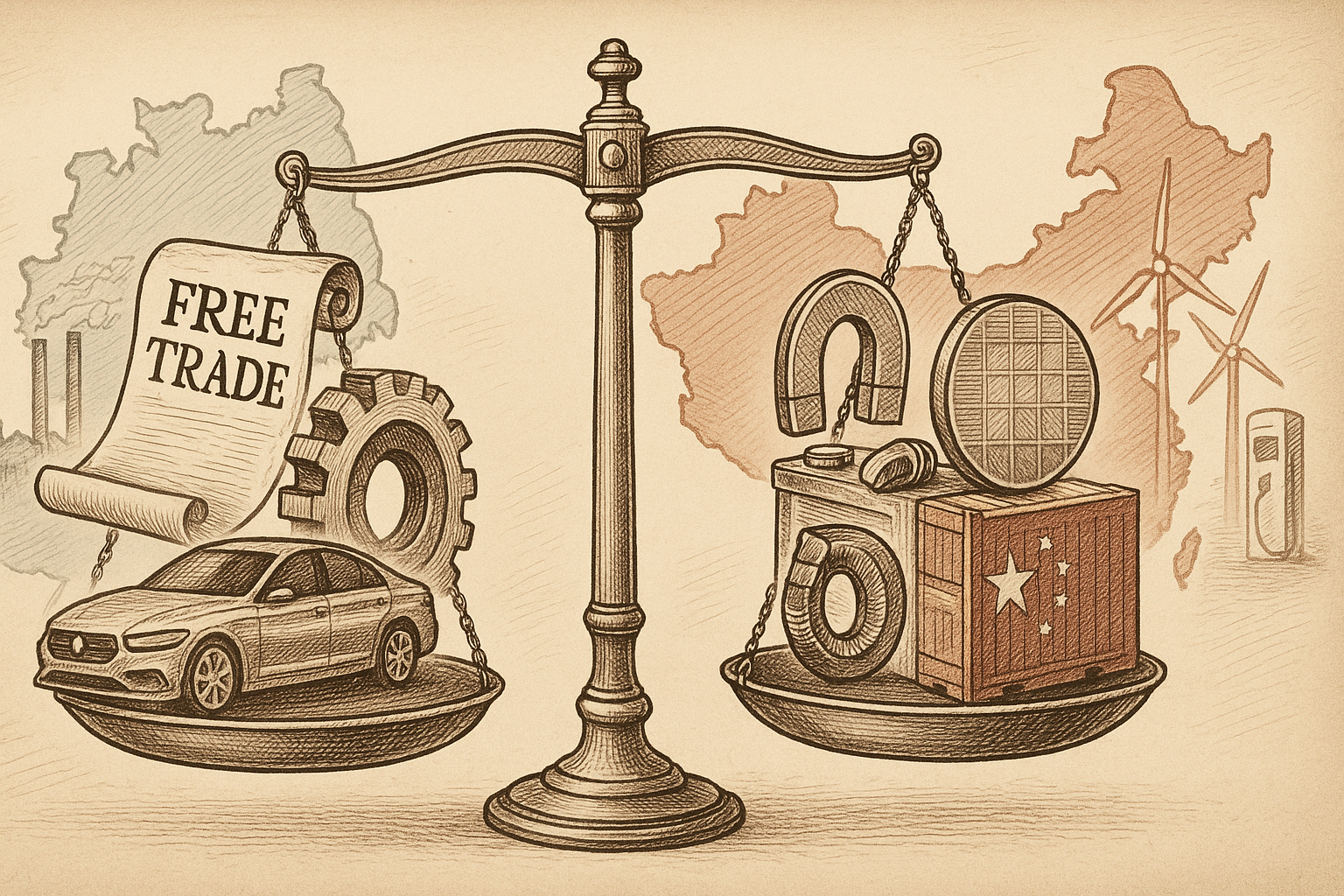
In a « Le Monde » article about tensions between Berlin and Beijing, the journalist writes: “The paradigm shift in international trade, where the strategic dominance of resources and raw materials, sensitive technologies and markets has replaced the rules of free trade, has deteriorated the position of German companies.”1 This raises a question: did strategic domination of…
-
The Age of Extractive and Commercial Empires: Spain and the Dutch Republic (16th–17th Centuries)
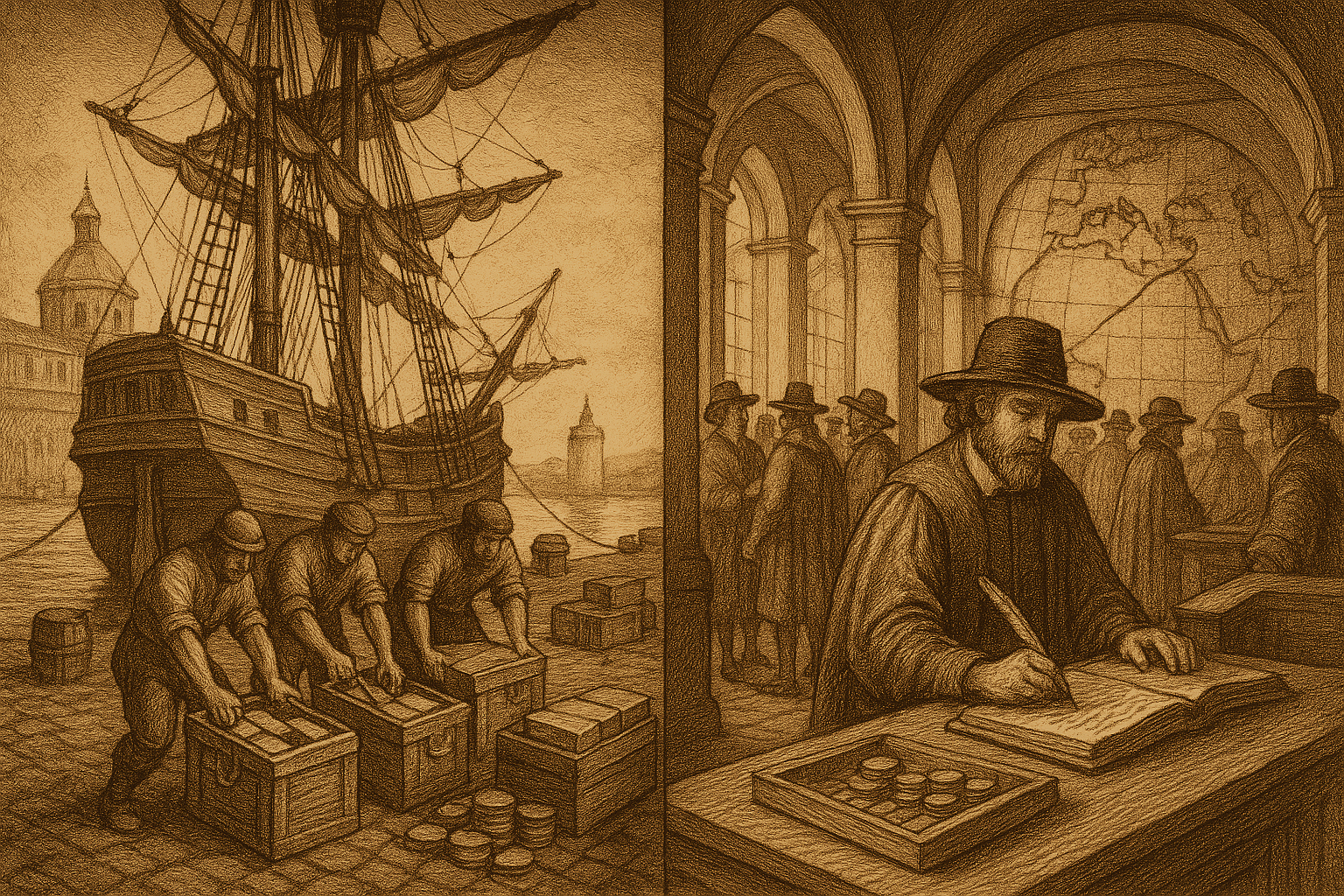
At the Origins of the Valorisation of the Economy (15th–19th Centuries) – Article 2 Spain and the Dutch Republic embody two paths into the first globalisation: the former rested on extraction and imperial coercion; the latter on the organised circulation of goods, information, and credit. From the mines of Potosí to the payment fairs of…
-
When the Economy Becomes a Value: The Turning Point of the Italian Renaissance
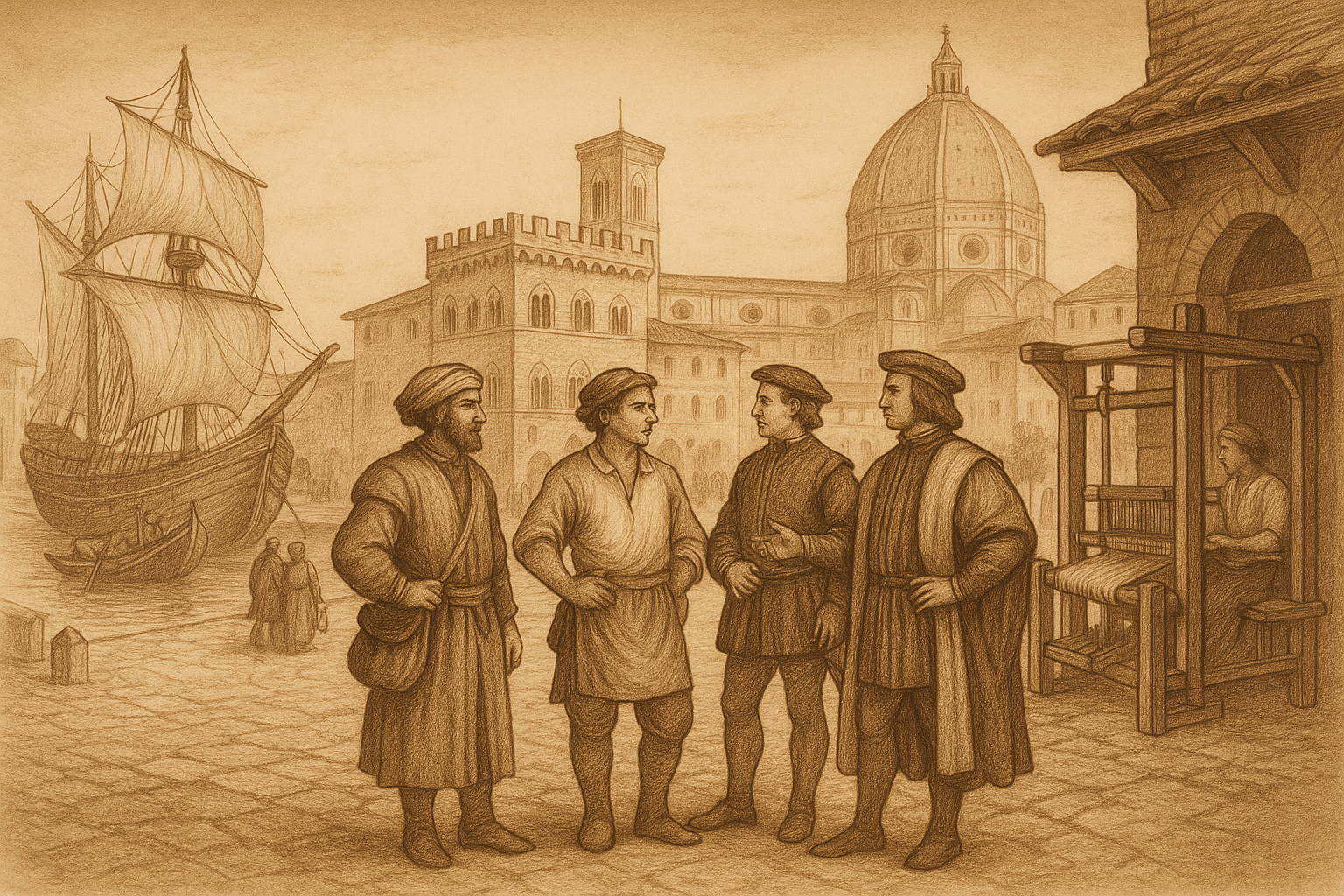
At the turn from the Middle Ages to the Renaissance, the northern Italian city-states usher in a decisive shift: the economy is no longer merely a means of subsistence but becomes a value in political and moral terms. Florence and Venice, governed by oligarchies blending nobility and bourgeoisie, stand out for systems of government markedly…